
Lyft riders can now use same app in Europe
06 October 2026
by William Thorpe
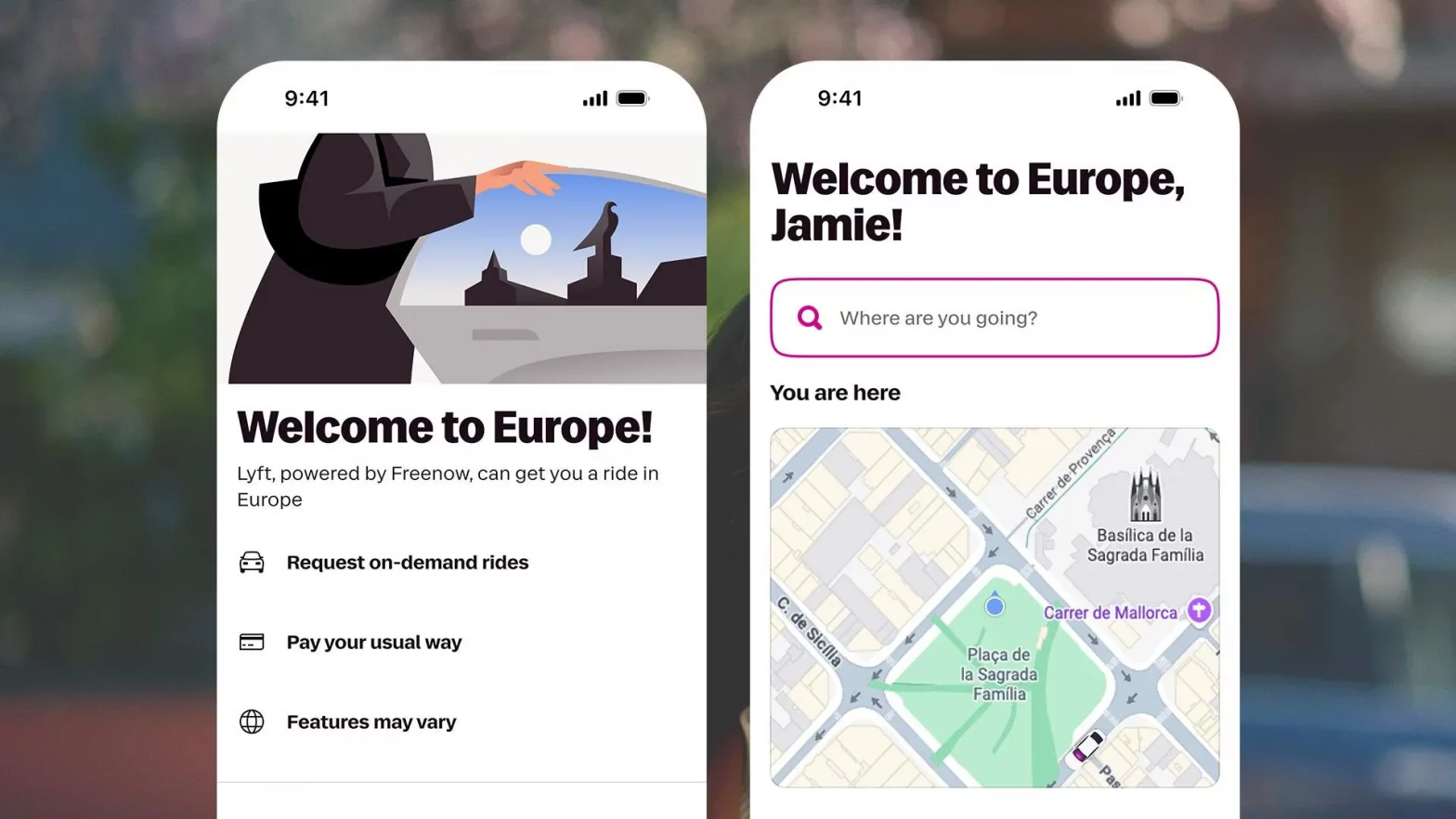
Lyft, the US-based ride-hailing and mobility company, has begun rolling out its North American app in European cities, allowing visitors from the US and Canada to book rides using their existing accounts and payment methods.
The rollout has begun in Barcelona and Hamburg, with London, Rome, Paris, Berlin, Athens and Warsaw among the cities being added during October.
“Millions of riders across North America trust Lyft to get them where they’re going every day. Now that same app works the moment they land in Europe. No need to download anything new,” said Sid Patil, Chief Rideshare and Marketplace Officer at Lyft.
The move builds on Lyft’s acquisition of European mobility platform Freenow from BMW Group and Mercedes-Benz Mobility, completed in July 2025. The deal gave Lyft an established presence across nine European countries and marked its first major expansion beyond North America.
By the end of October, Lyft says its app will be available to North American visitors travelling in Spain, Italy, Greece, Poland, England, Scotland, Ireland, Austria, France and Germany.
The expansion is supported by a new backend framework that connects the Lyft app with third-party mobility marketplaces. Rather than requiring passengers to switch between different apps, the technology allows Lyft users to access driver supply from connected platforms while continuing to use their existing Lyft account.
“Every market we connect makes the network stronger for riders and drivers,” Patil said. “This expansion takes us from being your neighbourhood rideshare app to a global, multi-mobility platform.”
Freenow will continue to operate its own app for European passengers, while its drivers will gain an additional source of demand from North American visitors booking through Lyft. Gett by Lyft users will also continue using the existing Gett app.
The approach represents a shift from Lyft’s traditional North American rideshare model towards connecting different mobility services through a common passenger-facing platform. Its wider operations now span rideshare, taxis, private hire vehicles, chauffeur services, car sharing, bikes and scooters.
North American customers will initially use the same payment methods already linked to their Lyft accounts. During the next year, the company plans to give riders the option of paying either in their home currency, such as US dollars, or the local currency where the journey takes place.
The technology developed for the European launch can also connect Lyft with other third-party marketplaces, potentially allowing the company to enter additional countries without establishing its own driver network in each market.
Image: Lyft