
London sets out citywide e-bike licensing vision
29 September 2026
by William Thorpe
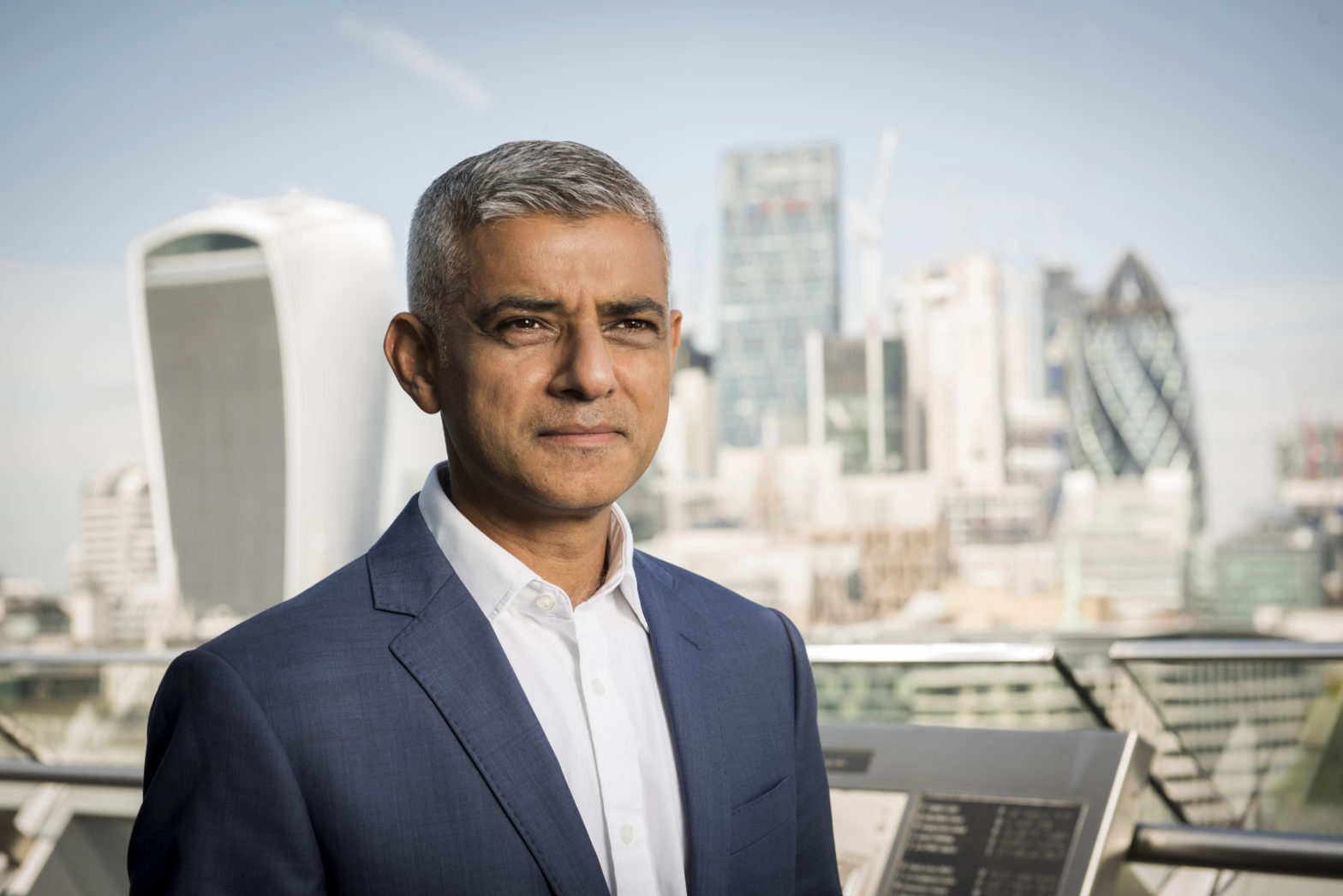
Sadiq Khan, Mayor of London (pictured), has set out plans for a single licensing framework for dockless e-bikes, replacing the patchwork of rules currently operated by the UK capital’s 33 boroughs.
The proposed system would give Transport for London (TfL) responsibility for licensing shared e-bike operators and establish common standards covering parking, fleet management, safety, enforcement and data sharing.
“The ‘Wild West’ approach to dockless e-bikes cannot continue,” Khan said. “While these services are helping thousands more Londoners to cycle, their rapid growth has also brought challenges around safety, inconsiderate parking, and the lack of data needed to properly manage them.”
The move follows the English Devolution and Community Empowerment Act 2026, which enables the Secretary of State for Transport to give TfL statutory powers to establish a regulatory framework for dockless micromobility schemes.
Secondary legislation and government guidance are still required before the powers can be implemented. Khan called on the Department for Transport to move quickly but said TfL would begin developing the framework with boroughs in advance.
Under the mayor’s plans, operators would face consistent London-wide requirements for vehicle standards, rider safety and parking. TfL also wants dockless bikes to be better integrated with public transport and plans to use operator data to monitor compliance and identify areas requiring additional parking infrastructure.
Christina Calderato, TfL’s Director of Transport Strategy and Policy, said: “This will give us the ability to replace the current patchwork, borough-by-borough approach with a consistent London-wide licensing scheme, which will put safety first and tackle unsafe parking, while ensuring dockless bikes can continue to contribute to the capital’s cycling boom.”
The announcement follows growing pressure from the wider micromobility sector for London to establish common rules.

Last week, the Shared Micromobility Alliance (SMA) argued that London should begin preparing for a citywide system before the remaining legislation is completed. SMA Chair Rikesh Shah called for early agreement on issues including data sharing, parking provision, cooperation between boroughs and the number of operators expected to receive licences.
The intervention followed earlier calls from individual operators. As previously reported by Cities Today, Voi called in August for TfL to become the capital’s regulator, with common requirements for fleet controls, safety, data sharing and enforcement while boroughs retained responsibility for parking locations and street management.
Industry groups welcomed the mayor’s announcement.
Stef Lehmann, Regional Head for Government Relations at Lime UK and Ireland, said: “We support citywide regulation for shared e-bikes, giving riders and boroughs one consistent approach across London instead of a ‘patchwork’ of rules to navigate.”
Lime said its monthly active users in the UK increased 31 percent between 2024 and 2025 and that it was working with TfL, boroughs and government on the future framework.
Richard Dilks, Chief Executive of CoMoUK, said the organisation had “long called for a more coherent, pan-London approach”, adding that shared bikes were increasingly part of everyday transport. CoMoUK research found 54 per cent of shared-bike trips across the UK were directly connected to commuting to work or education.
Cycling trips in London have increased 43 per cent since 2019, according to City Hall, while the Cycleways network has expanded from 90 km in 2016 to more than 450 km.
TfL estimates that dockless bikes accounted for more than one in ten cycling journey stages in 2024. More than 36,000 micromobility parking spaces have now been installed across London, with £1.7 million allocated to boroughs this year for additional provision.
TfL is expected to publish further details of the proposed approach later this year.
Main image: Greater London Authority