How cities can secure EU mobility funding
12 September 2026
by Eurocities
As cities work to reduce emissions, improve accessibility and manage growing transport demands, EU-funded projects play an important role in testing, demonstrating and scaling up innovative mobility solutions.
From urban logistics and public transport to digital mobility services, these initiatives help cities collaborate with partners across Europe, share knowledge and turn ideas into practical action.
Navigating the funding landscape, however, can be challenging, particularly for cities with limited experience in European projects. Understanding where to find opportunities, how to build strong partnerships and what makes a successful proposal can help local authorities make the most of the support available.
Eurocities* spoke with Yannick Bousse, project advisor within the integrated transport and city sector at CINEA, the European Climate, Infrastructure and Environment Executive Agency, about how cities can get involved in projects and programmes on sustainable mobility.
You manage projects in the field of urban logistics, public transport and integrated urban mobility. In this context, what funding opportunities for cities does CINEA offer?
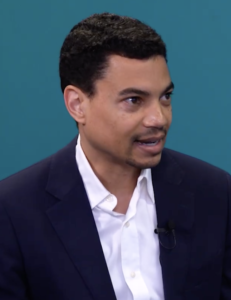
Yannick Bousse: First, I would like to thank you very much for this invitation and for this opportunity. Cities are really at the heart of our urban mobility transition within Europe. They act as urban nodes in our cities, connecting the local, regional and European levels. They also very much contribute to our objectives, such as the European Green Deal and the Trans-European Transport Network.
Cities really act as this core, this centre of innovation for urban mobility. This could be in various fields, such as public transport, urban freight and logistics, or digital mobility solutions. Some of these public programmes that we offer and support are, for example, the Horizon Europe funding programme, the Connecting Europe Facility and the LIFE programme.
Regarding these programmes, projects and calls available to cities, how have they evolved over time? And how does CINEA see the future direction of consortia in projects?
What we are seeing is that proposals and projects that are coming through have a larger scale. They have a much more integrated number of consortium partners, and partners across the entire ecosystem are involved in these proposals. We also see a shift towards Innovation Action projects. This shows a shift from research and innovation to innovation actions. We can scale up these innovative solutions, have them deployed in our cities and demonstrated.
We already know a lot of the solutions, what works and what does not work. Now it is a case of de-risking these solutions so that cities can feel comfortable to take them onboard. There is also a focus on exploitation, replication and the large-scale deployment of these solutions. We also support a number of initiatives that can help with this, such as CIVITAS and the EU Mission for Climate-Neutral and Smart Cities.
For the proposals and projects coming through, the emphasis should be laid on integrating the entire ecosystem of partners and supporting the entire value chain of innovation in Europe. This could be transport operators, city authorities, public transport authorities, industry partners, civil stakeholders and any other representative that can increase and support the value chain from the start to the end.
What advice would you give to cities that want to get involved in EU-funded proposals or projects?
I would say to cities that they are not alone in this journey. There are resources that we make available, and the EU Funding & Tenders Portal should be the first point of reference. It serves as a one-stop shop for support to applicants. Particularly for urban mobility, I would direct people towards the latest work programmes of Horizon Europe, for example, Cluster 5 on climate, energy and mobility, as well as the work programme for the Cities Mission.
I would also encourage cities to focus first on the challenges rather than on the funding programme itself. We see that strong proposals are based on strong partnerships, which can be shaped and formed as time goes on, so that cities are ready when the call deadline comes and it’s time to submit the proposal. We also provide support for this. For example, the Horizon Europe Info Days. The next one will take place on 19 November 2026 and will focus on the 2027 work programme of Cluster 5.
Another piece of advice is to start small within a project. Entering a project with, perhaps, a smaller role as a partner gives you an opportunity to build up capacity and experience within European projects, and build up expertise within your city authority. As time goes on, you will feel more comfortable taking on larger roles within these projects.
Finally, cities should not underestimate the value they bring to these projects. Cities provide the test beds and local expertise that is so valuable for what we are trying to achieve. This gives cities the opportunity to take part in our projects and to show what they can provide and the added value for cities and citizens.
See the complete interview here:
*This article originally appeared on Eurocities.
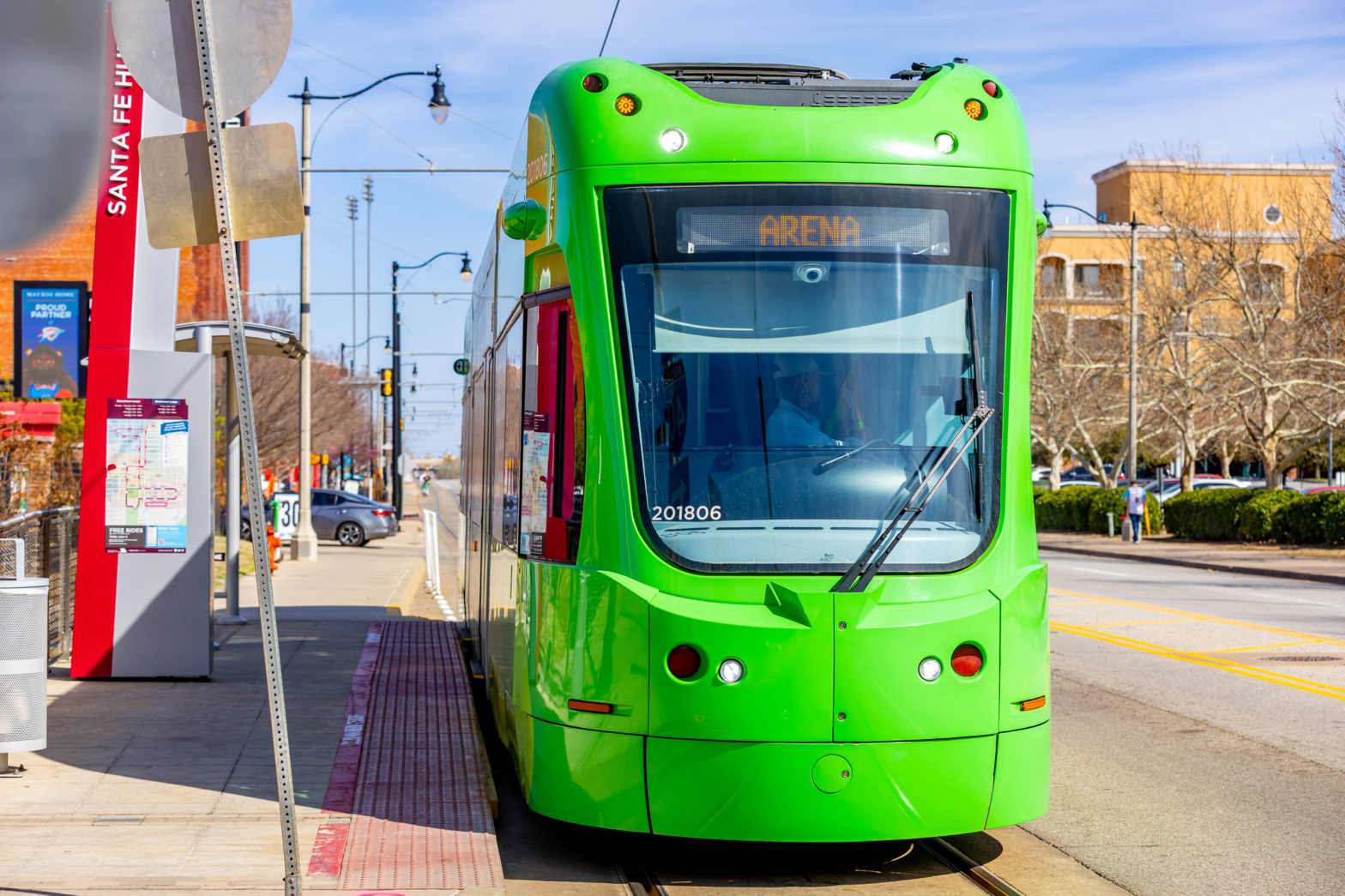
Main image: Viorel Dudau | Dreamstime.com