
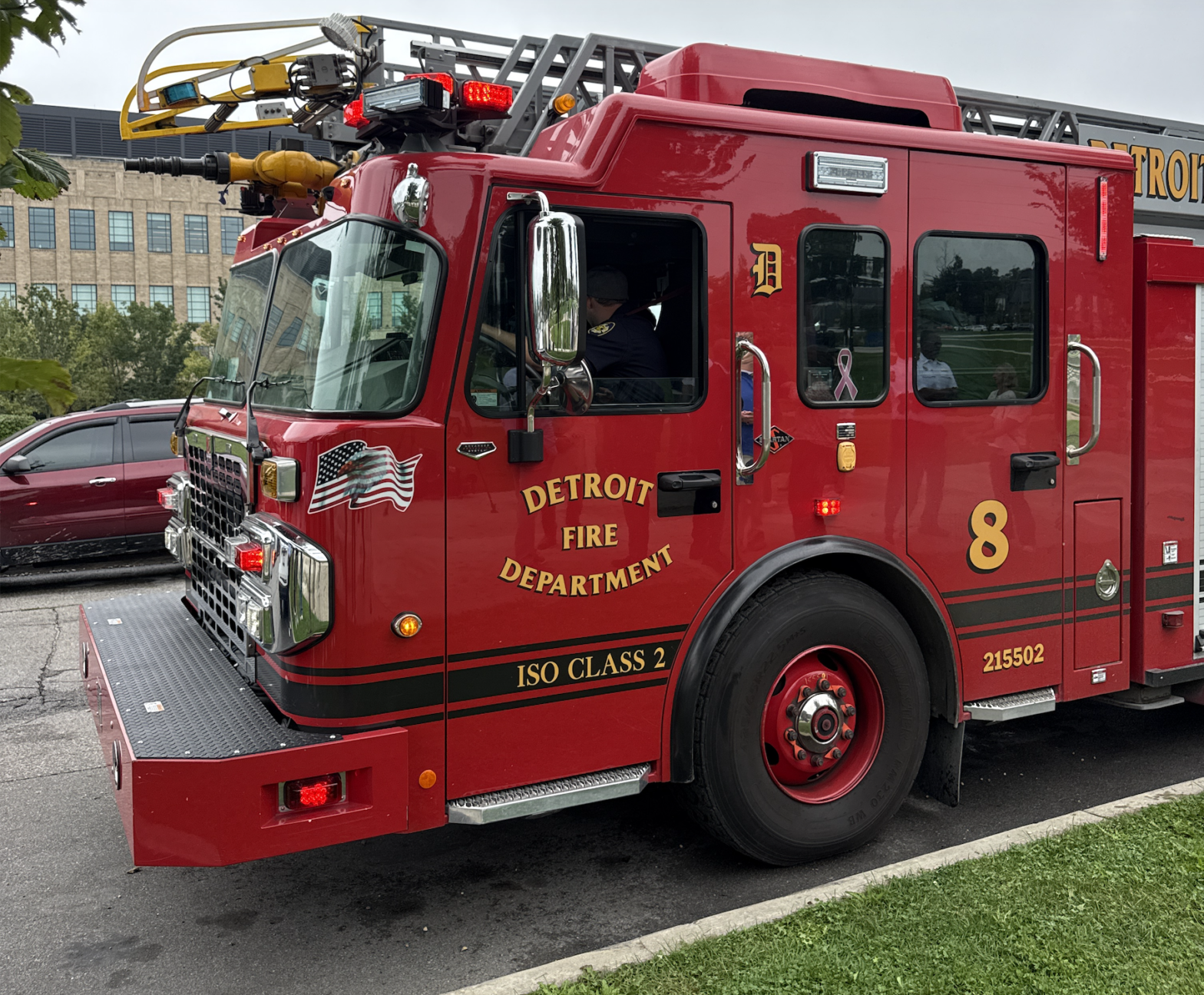
Detroit tests traffic signal priority for firefighters
03 October 2026
by Jonathan Andrews
Detroit is testing whether its existing connected traffic infrastructure can be used to clear intersections for emergency vehicles, with the technology potentially also available to police if the trial proves successful.
The city has begun a 90-day pilot at five intersections in Corktown’s Transportation Innovation Zone, where selected Detroit Fire Department vehicles can automatically request green lights before they reach a junction. Konner Petz, Head of Special Projects at the City of Detroit Mayor’s Office of Mobility Innovation, told Cities Today that much of the underlying connected intersection technology is already deployed across Detroit.
“Miovision technology itself is already citywide, but the emergency vehicle preemption technology (EVP) is layered with the compatible intersections,” he said.
Rather than committing to a wider rollout, Detroit will use the pilot to determine whether the emergency vehicle preemption system delivers sufficient benefits to justify further investment.

“There aren’t any current plans to expand the EVP technology as it stands due to the pilot period testing if the city even likes the product amongst other items such as budget,” Petz said.
The trial combines location information from equipment already installed in Detroit Fire Department vehicles with the city’s connected traffic signals. As an emergency vehicle approaches, the system requests a change in signal phase to clear the intersection before it arrives, giving other road users more time to stop or move aside.
Because the pilot uses existing vehicle and intersection equipment, no additional roadside or in-vehicle hardware was required. The project is also being conducted at no cost to the city.
“The Detroit Fire Department is always looking for ways to make our streets safer and get help to people faster,” said Chuck Simms, Executive Fire Commissioner at the Detroit Fire Department. “Technology like this has real potential to help our firefighters and EMS crews get where they’re needed faster.”
The city is assessing whether the system reduces delays at intersections and improves safety for firefighters and other road users. Similar deployments elsewhere have reported response-time reductions of up to 25 percent, although Detroit has yet to produce results from its own trial.
Petz said the same emergency preemption approach could also be used by the Detroit Police Department, while public transport could benefit from similar connected infrastructure through a different system.
“For the police department, yes. For public transit, kind of,” Petz said. “Public transit uses a similar technology called transit signal priority and is not the exact same as the current EVP tech deployed within the Transportation Innovation Zone.”
The Transportation Innovation Zone was established by Detroit to provide a dedicated area for testing mobility technologies under a streamlined city permitting framework before decisions are made about wider deployment.