
How interoperability can future-proof connected urban life
30 October 2025
Cities are losing large amounts of potential because their systems rarely talk to each other, according to a new whitepaper from the Cities Today Institute and Paradox Engineering that argues interoperability is now the cornerstone of sustainable urban development.
The report, How interoperability can safeguard our future cities, shows how open data models and shared standards can transform fragmented digital initiatives into cohesive ecosystems that evolve with changing technology and policy.
“Open data models deliver three core benefits: future-proofing investments, lower integration costs, and vendor diversity and innovation,” said Seth Newberry, Executive Director, Open Mobile Alliance (OMA). “OMA’s initiatives show that standards provide the foundation upon which vendors can innovate, focusing on higher-value features instead of reinventing the basics.”
Creating the language of connected cities
The Open Mobile Alliance (OMA), a global standards body for mobile and IoT interoperability, has developed the technical frameworks that enable connected devices to communicate securely and efficiently.
The Swiss-based technology company Paradox Engineering, part of MinebeaMitsumi Group, designs and engineers IoT solutions for smart cities translating standards into open, scalable systems that can evolve as communities’ needs change.
For Julia Arneri Borghese, CEO at Paradox Engineering, openness is not just a technical choice but a strategic one.

“We recognise that interoperability is the foundation for creating scalable, future-proof solutions for cities,” she said. “By focusing on standard-based systems, we ensure that our solutions dialogue with existing and future technologies, allowing cities to maximise the value of their investments over time.”
The company’s long involvement with OMA and the uCIFI Alliance has helped align two crucial elements of openness: OMA’s LwM2M communication protocol and the uCIFI Data Model, the first open, vendor-neutral framework designed for cities and utilities. Together they form “a common language for constrained IoT devices and smart infrastructure,” ensuring that equipment from multiple vendors can coexist in the same deployment.
Openness by design
The paper argues that interoperability must be built into every layer of a city’s digital architecture–from device firmware to governance. Matteo Semmoloni, Head of Solution Design at Paradox Engineering, explains that success depends on consistency.
“We deliver interoperability at two levels,” he said. “First is the data model, which enables smooth communication and integration between systems while enhancing data integrity. Second is the network, ensuring that our devices can be monitored and controlled remotely either from our central software or from third-party platforms.”
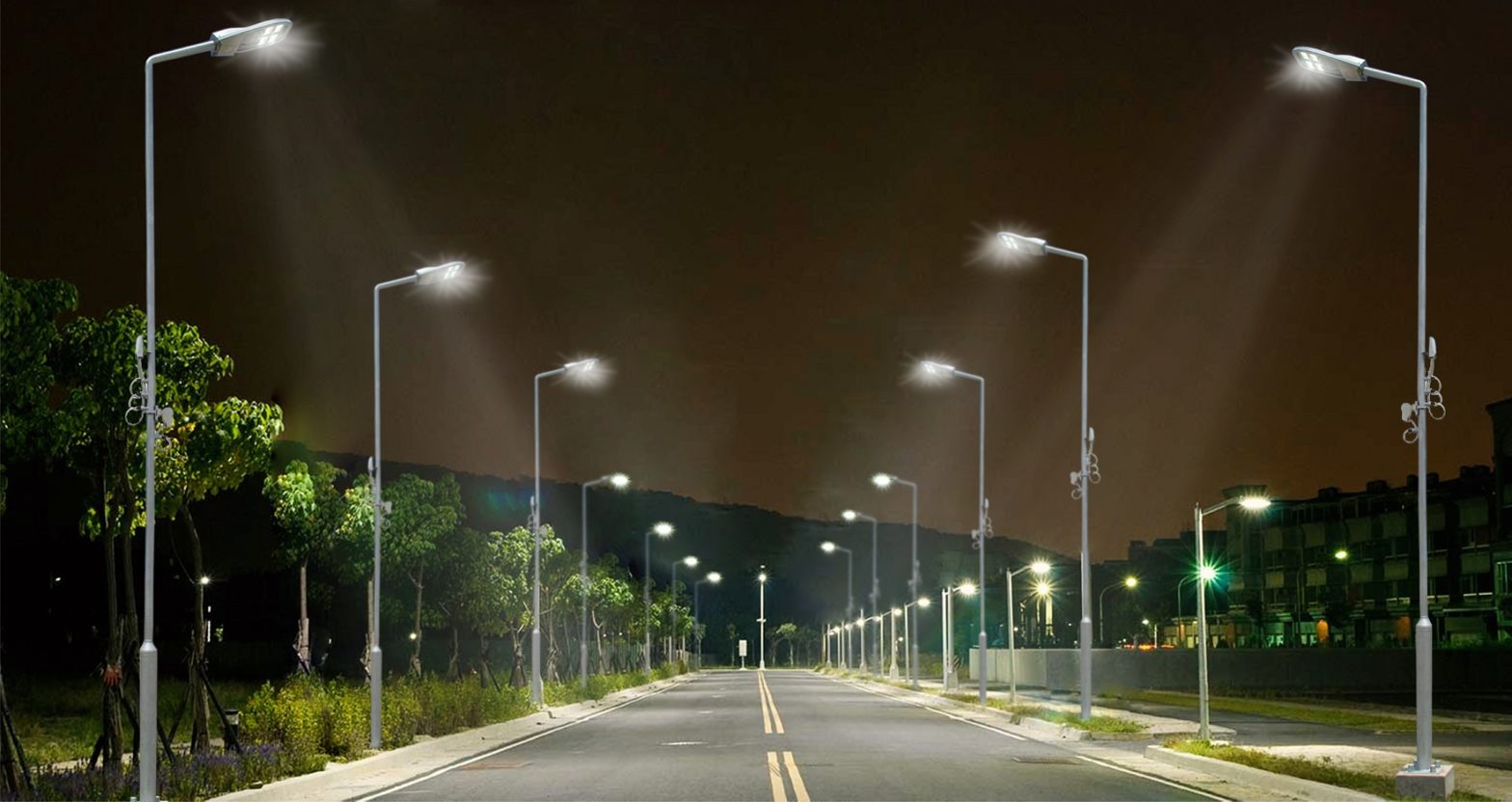
That flexibility is visible in Paradox Engineering’s hybrid lighting nodes, which fit any lamp equipped with a Zhaga socket and allow customers to select their preferred management platform. “Such openness empowers cities to make independent, long-term decisions without jeopardising compatibility or performance,” the report notes.
Yet the whitepaper also acknowledges the practical obstacles. Many cities still operate a patchwork of legacy systems that “speak different languages”. Semmoloni describes the integration effort as “like trying to communicate in different languages–complex and resource-consuming.” Despite this, he insists that upfront investment in open standards pays off by reducing long-term costs and avoiding vendor dependency.
Building trust and resilience
Interoperability is also a governance issue. Arneri Borghese points to independent studies showing that smart-city projects using proprietary technologies can cost up to 30 percent more than those based on open systems. She calls for a shift from viewing openness as optional to treating it as a public-interest safeguard.
“Interoperability is governance,” the paper concludes. “It protects public investment while fostering collaboration and transparency.”
Security, another major concern, is framed as complementary to openness rather than in conflict with it. “Granting high security standards doesn’t mean hiding data or building defensive walls but having a holistic view of infrastructure and network protection,” said Semmoloni.
Lessons from Madrid and Las Condes
Real-world examples from Madrid and Las Condes, Santiago show how open frameworks translate into resilience.
In Madrid, Juan Jesús Muñoz Esteban, Head of Service for 5G and IoT at Madrid City Council, said the city’s experience demonstrates that interoperability is not achieved through technology alone but through coordination and trust between public and private partners.

“Creating a standard requires considerable effort and time. It requires a volume of business that justifies it,” he said. “The commitment of companies to public service deadlines and the protection of investment is essential, because alignment is needed for companies to maintain their activity and for administrations to evolve.”
Madrid’s approach highlights that achieving openness is as much about governance as it is about technology–balancing innovation with stability and ensuring that different systems can evolve together over time.
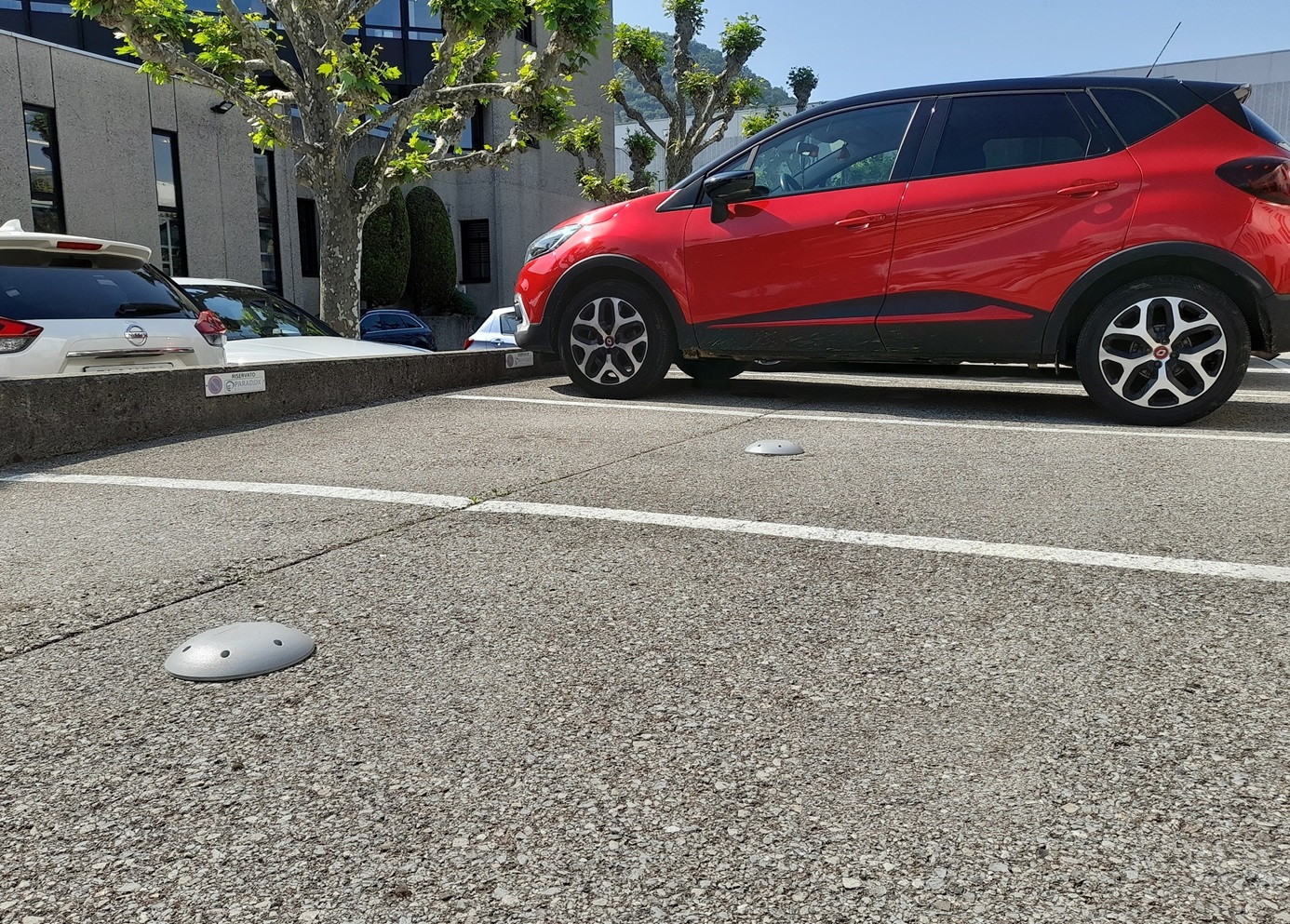
Meanwhile, Las Condes has connected more than 17,000 streetlights and integrated parking, traffic and environmental sensors through one interoperable network.
From isolation to integration
The whitepaper closes with a forward-looking message: interoperability is no longer just about devices communicating but about institutions collaborating.
“We firmly believe that innovation and open standards go hand in hand,” said Arneri Borghese. “This means building solutions that are compliant with open protocols, support cross-platform integration, and can easily scale across different urban systems.”
This philosophy could be expanded to the next generation of urban technologies, ensuring that data remains a shared civic asset rather than a private commodity.
As Newberry summarises: “Cities bring the needs, vendors bring the products, alliances bring the frameworks–OMA makes them all work together.”
Connected cities for better living
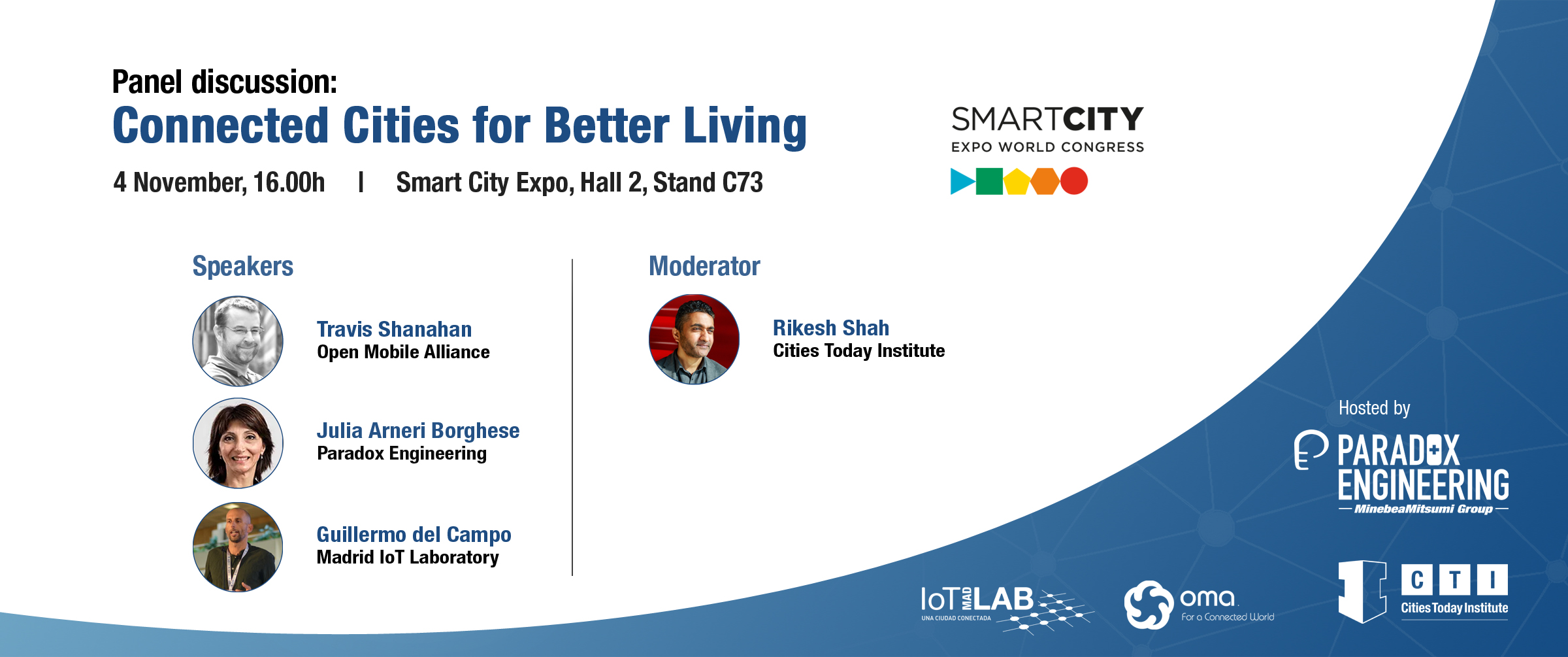
The insights from How interoperability can safeguard our future cities will be explored further at the Smart City Expo World Congress in Barcelona. On 4 November, the Cities Today Institute will host the panel Connected Cities for Better Living in Hall 2, Stand C73, starting at 16.00 h.
Moderated by Rikesh Shah, Cities Today Institute, the session will bring together experts Travis Shanahan, Open Mobile Alliance; Guillermo del Campo, Madrid IoT Laboratory; and Julia Arneri Borghese, Paradox Engineering, to discuss how interoperability can transform isolated initiatives into integrated, citywide ecosystems.
The discussion will be followed by a drinks reception hosted by Paradox Engineering / MinebeaMitsumi. Please RSVP here.
Powered by: