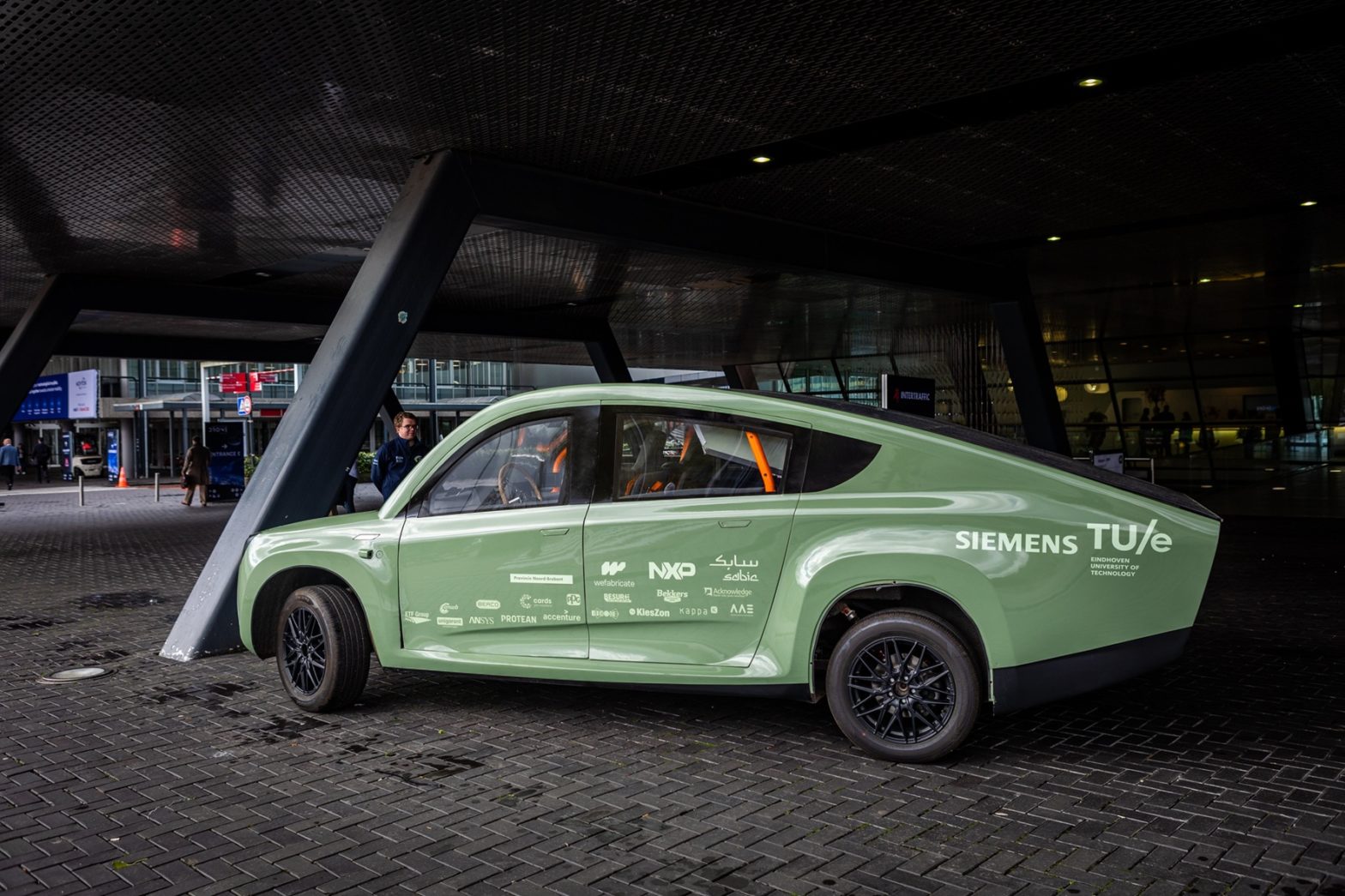
Photo: byb_intertraffic_nb-0702
From innovation to implementation: scaling smart, safe and sustainable mobility
15 January 2026
As cities, road authorities and mobility providers grapple with congestion, safety risks and climate pressures, the focus of the mobility sector is shifting from experimentation to large-scale implementation. This transition will be a central theme at Intertraffic Amsterdam 2026, where industry leaders, policymakers and technology providers come together to explore how smart, safe and sustainable mobility solutions can be deployed at scale. Rather than showcasing isolated innovations, the conversation increasingly centres on integration, interoperability and real-world impact.
Across the mobility ecosystem, digitalisation is accelerating this shift. Traffic management, infrastructure and traveller information services are undergoing a profound transformation as real-time data, analytics and AI become embedded in daily operations. From adaptive traffic signal control to in-car safety alerts and predictive congestion management, data-driven solutions are helping road operators improve traffic flow, enhance safety and maintain urban accessibility. Many of these applications, featured prominently in the Intertraffic Summit Programme demonstrate how digital tools are moving from pilots to mission-critical systems.
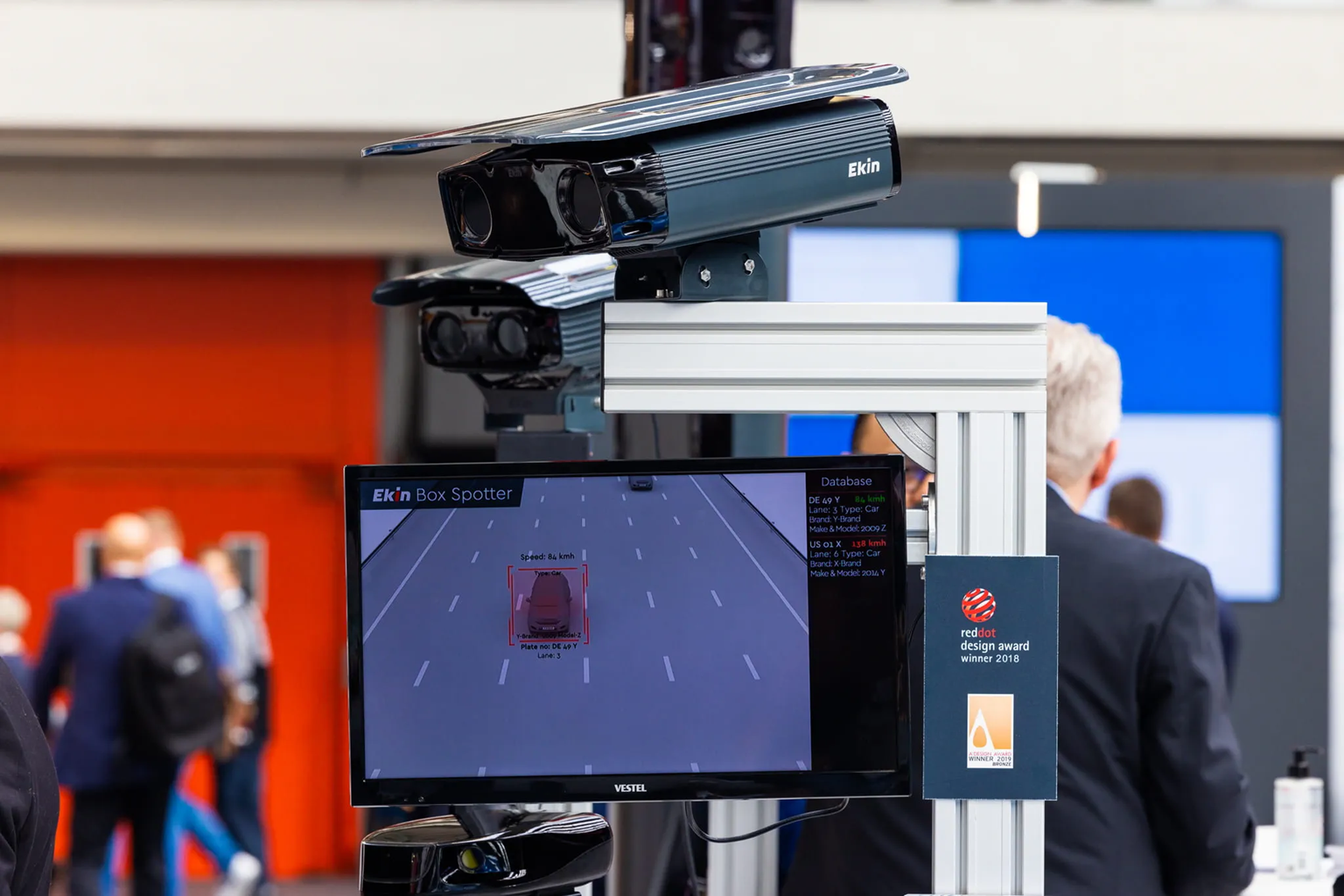
Road safety remains one of the most urgent challenges facing transport authorities worldwide. Despite technological advances, rising road fatalities in many regions underline the need for smarter, more proactive approaches. Data-driven road safety strategies, intelligent enforcement, monitoring systems and digital twin technologies are increasingly used to identify high-risk locations and support evidence-based interventions.
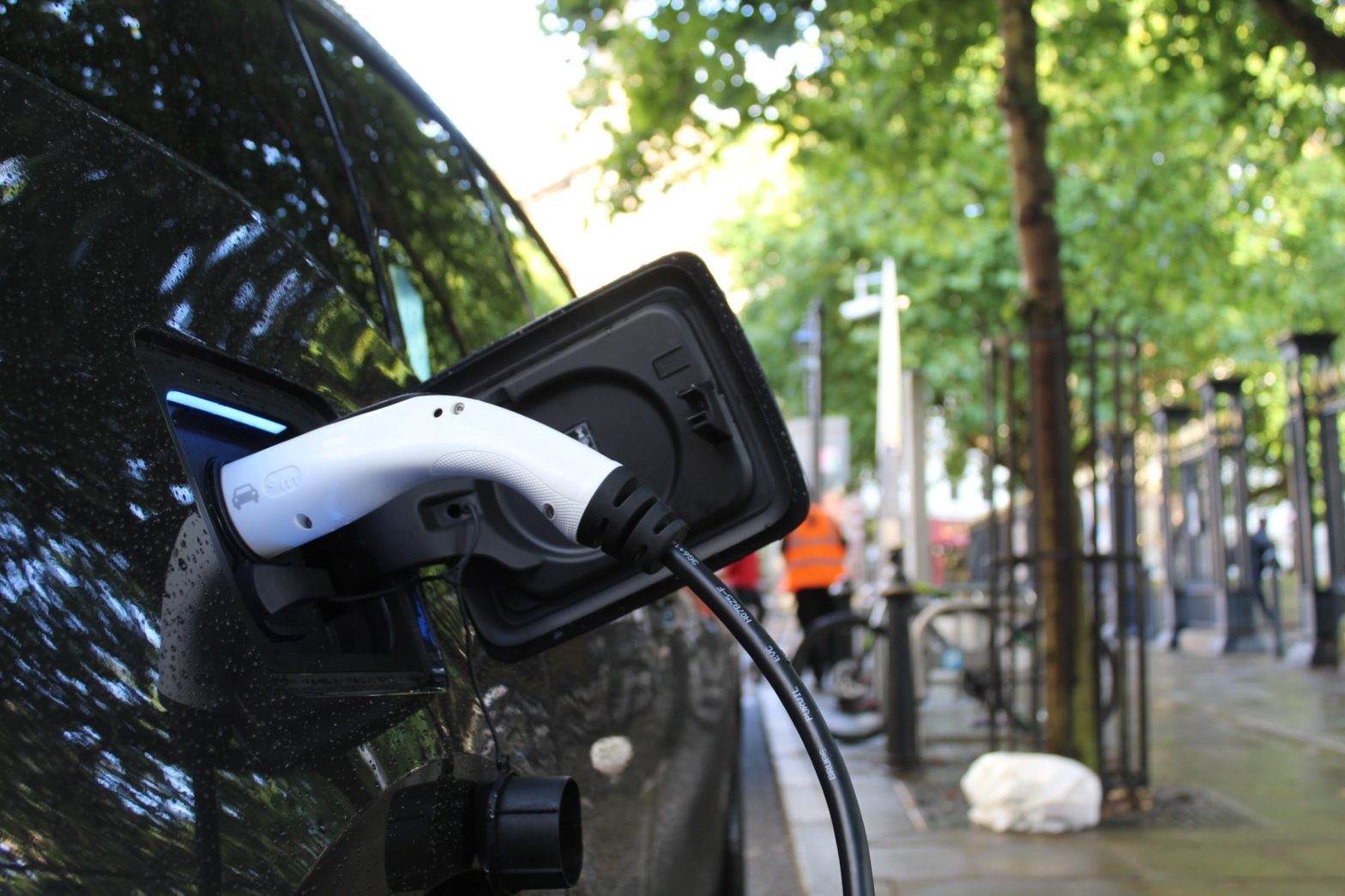
Sustainability adds further complexity to the mobility transition. Electrification, micromobility and active travel are expanding rapidly, but cities are learning that success depends on seamless integration with existing transport systems. Charging infrastructure, mobility hubs and last-mile solutions must be aligned with traffic management and spatial planning to avoid new bottlenecks. These integration challenges, reflected in the Next Mobility focus at Intertraffic Amsterdam 2026, highlight the need for coordinated approaches that combine policy, infrastructure and digital platforms.
Parking is another area undergoing significant transformation. No longer seen as a standalone function, parking is increasingly integrated into wider mobility strategies. Free-flow parking systems, smart enforcement, data-driven tariffs and integrated payment platforms are helping cities reduce cruising traffic, improve user experience and generate valuable operational insights. The growing connection between parking, traffic management and traveller information, underlining parking’s role as an essential component of the urban mobility ecosystem.
Connected and automated mobility represents another step in this evolution. While fully automated transport remains a longer-term ambition, connected infrastructure and cooperative ITS solutions are already delivering tangible benefits. Real-time hazard warnings, digital services for drivers and interoperable data platforms are improving safety and efficiency today.
Ultimately, the mobility transition depends on effective collaboration between public authorities and private industry. Platforms such as Intertraffic Amsterdam 2026 play a key role in enabling this exchange, bringing together cities, regions, technology providers and sector organisations to share best practices and accelerate implementation. As the sector moves forward, the challenge is clear: turning smart, safe and sustainable mobility from ambition into everyday reality.