Photo: IHS
Why we need a transdisciplinary approach to address water-related challenges
05 March 2026
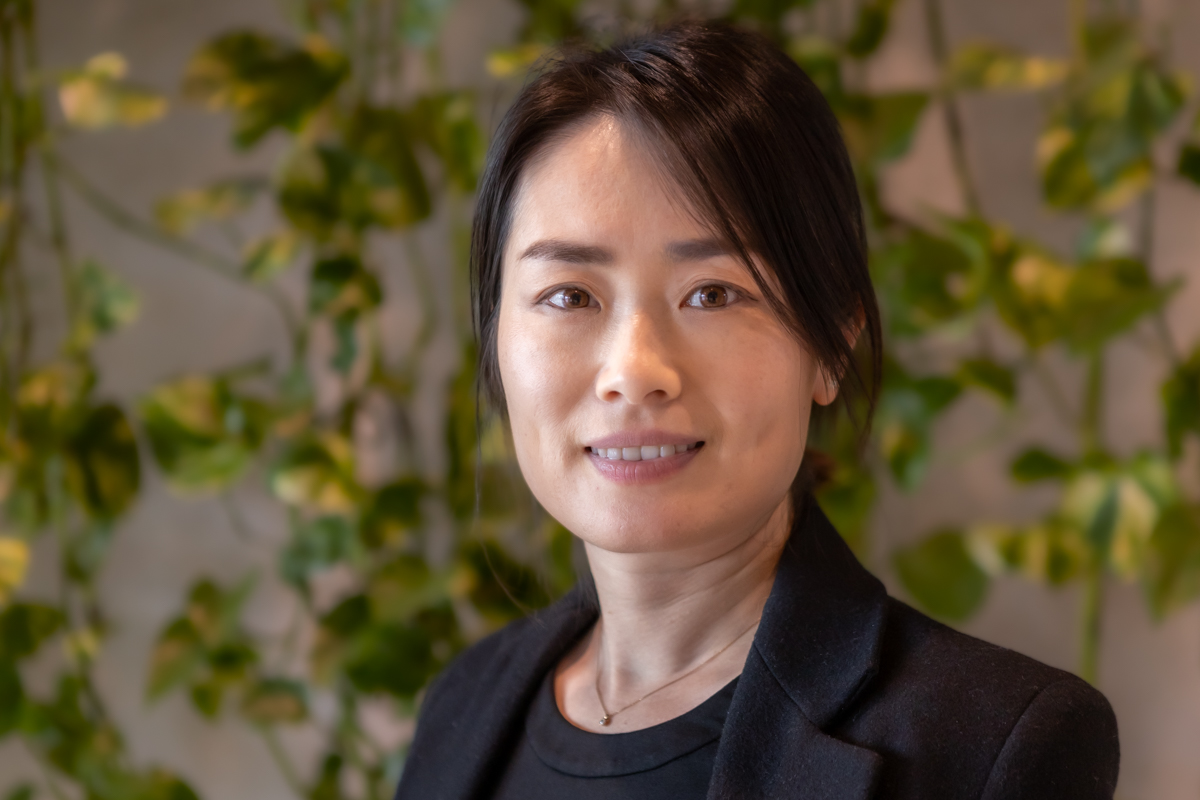
By Dr Qian Ke, Specialist in Urban Sustainability and Climate Change Resilience
Water is the silent actor in our daily lives. It is the invisible hand that washes, flushes, quenches our thirst, and nourishes our world. Yet, while many of us enjoy the seemingly effortless availability of clean water, this essential resource is under profound stress. In a parallel reality, water is becoming polluted, scarce in some places, and dangerously abundant in others. This paradox is our new normal, especially in the context of climate change and rapid urbanisation. Rising global temperatures are actively disrupting the very engine of our planet: the water cycle.
The mechanism of this disruption is clear. Higher temperatures intensify evapotranspiration, sucking moisture from soils and fuelling more extreme and unequal precipitation patterns. This leads to devastating downpours in some regions and prolonged droughts in others. In urban areas, the problem is compounded. The key infiltration process, in which rainwater seeps into the ground, is severely hindered by concrete and asphalt. This prevents natural groundwater recharge and overwhelms drainage systems, turning streets into rivers. In addition, the alteration of soil structure further diminishes its capacity to hold water, creating a vicious loop where drought conditions make the landscape ripe for catastrophic flooding, and floodwaters rush away before they can alleviate dry spells.
For decades, our primary response has been rooted in physical sciences and engineering. Vast resources have been poured into technical modelling, risk assessments, and robust infrastructure such as dams and levees. These are undeniably crucial. However, they represent only one piece of a much larger puzzle. The disruption of the water cycle is not merely an environmental phenomenon; it is a profoundly human one. It is a chain reaction triggered by anthropogenic activities, from land-use change to policy decisions. The severity of a flood disaster, for instance, is not determined solely by the storm. It is a formula of hazard, exposure, and vulnerability, with the latter two being significantly affected by human decisions. Where we build cities, how we regulate floodplains, and the effectiveness of our governance determine whether a heavy rainfall becomes a manageable event or a catastrophe. This is why we now witness droughts during wet seasons and floods in the dry season. They are symptoms of a system in failure.
To understand this failure, we must ask questions that transcend disciplinary boundaries. What are the physical drivers of a flood? How about the meteorological and hydrological factors? But equally important: What are the socio-economic drivers that put marginalised communities at greater risk? What institutional barriers prevent the implementation of solutions? Why are water sources becoming contaminated by failures in land-use policy? Why does flood risk intensify even in cities with well-designed climate adaptation plans? The answers do not lie solely in hydrological and engineering models. They lie in the complex interplay between natural systems,human behaviour, economics, and politics.
This inherent complexity requires a new way of working. Addressing these interconnected challenges in a sustainable, resilient, and inclusive manner requires us to break down the silos of expertise. In the real world, water engineers, urban designers, ecologists, and social scientists rarely engage in deep and sustained dialogue. Engineers focus on technical solutions; urban designers envision spaces that harmonise human and nature; social scientists analyse impacts on equity and barriers to implementation. Working in isolation, each group can only touch the surface. An engineer can build a technically perfect level, but if it displaces a low-income community or ignores the natural floodplain, it solves one problem while creating another. An urban designer can create a beautiful water-sensitive plan, but without engineering and social insight, it risks remaining just a plan.
The climate challenge is too complex, and water is too fundamental. We cannot achieve a just and resilient climate adaptation goal without integrating these perspectives. We cannot genuinely improve water safety for all, enhance social well-being, and ensure the liveability of our habitats if we continue to view water from a single lens. Water is the ultimate connector, flowing from our atmosphere to our mountains, through our farms and cities, into our houses and bodies. Our approach to managing it should also be as fluid and as connected. We need a transdisciplinary approach for a water-secure future.
Powered by: