Washington DC deploys AI to monitor AVs
09 September 2026
by William Thorpe
Washington DC has selected AIWaysion to deploy roadside sensing technology that will independently monitor how autonomous vehicles (AVs) behave alongside human-driven traffic.
The company, working with Parsons Corporation, will install its Mobile Unit for Sensing Traffic at two busy intersections from January. The system will use computer vision to detect and track autonomous vehicles, generate detailed trajectory data and analyse their movements through mixed urban traffic.
Stephanie Dock, Autonomous Vehicles Programme Manager at the District Department of Transportation (DDOT), told Cities Today that AIWaysion was selected following an assessment by a panel of internal and external experts.

“AIWaysion was notable for leveraging a sensor that is already commercially deployed, their plans for building their AV detection module, their plan to perform necessary anonymisation of video clips, and their responsiveness to our infrastructure limits and need for public data sharing,” she said.
The deployment is the next phase of DDOT’s Autonomous Vehicle Observation Zone Challenge, delivered with US Ignite to give the agency an independent source of information about AV operations.
As previously reported by Cities Today, the challenge was launched to move beyond company-reported data and anecdotal complaints by giving DDOT an independent view of AV behaviour in real-world traffic.
DDOT has not set a fixed list of behaviours to investigate. It will begin with common sources of collision risk, including turning movements, before using community engagement to identify situations that make residents uneasy or where they have experienced concerning interactions with AVs.
Once recurring AV behaviours have been identified, the sensors may record comparable movements by human-driven vehicles for a defined period. Academic partners will help DDOT determine how meaningful comparisons can be made.
“Our two primary goals for this project are to provide a way to start a comparison of AV to human driving and to initiate a conversation with the community about AVs in the public space,” Dock said. “If we can capture usable data and turn it into something publicly sharable and comprehensible, we will consider this successful.”
DDOT hopes to receive initial data during the first month of operation. Video clips will be anonymised before being shared, while broader information about movements through the intersections will be available to internal teams conducting related safety or street-design studies.
The agency hopes the findings will contribute to the wider debate over how claims that autonomous vehicles are safer than human drivers should be assessed. However, Dock cautioned that establishing an answer will require more than one local pilot.
“It would be great if this data can contribute to the ongoing discussion of what it means to be safer than a human and help to measure that, though that is a bigger effort than this project alone can deliver,” she said.
Dock stressed that the pilot is intended for observation rather than enforcement. DDOT also hopes the AV industry will engage with the findings to understand what constitutes “normal” and “acceptable” driving behaviour in Washington DC.
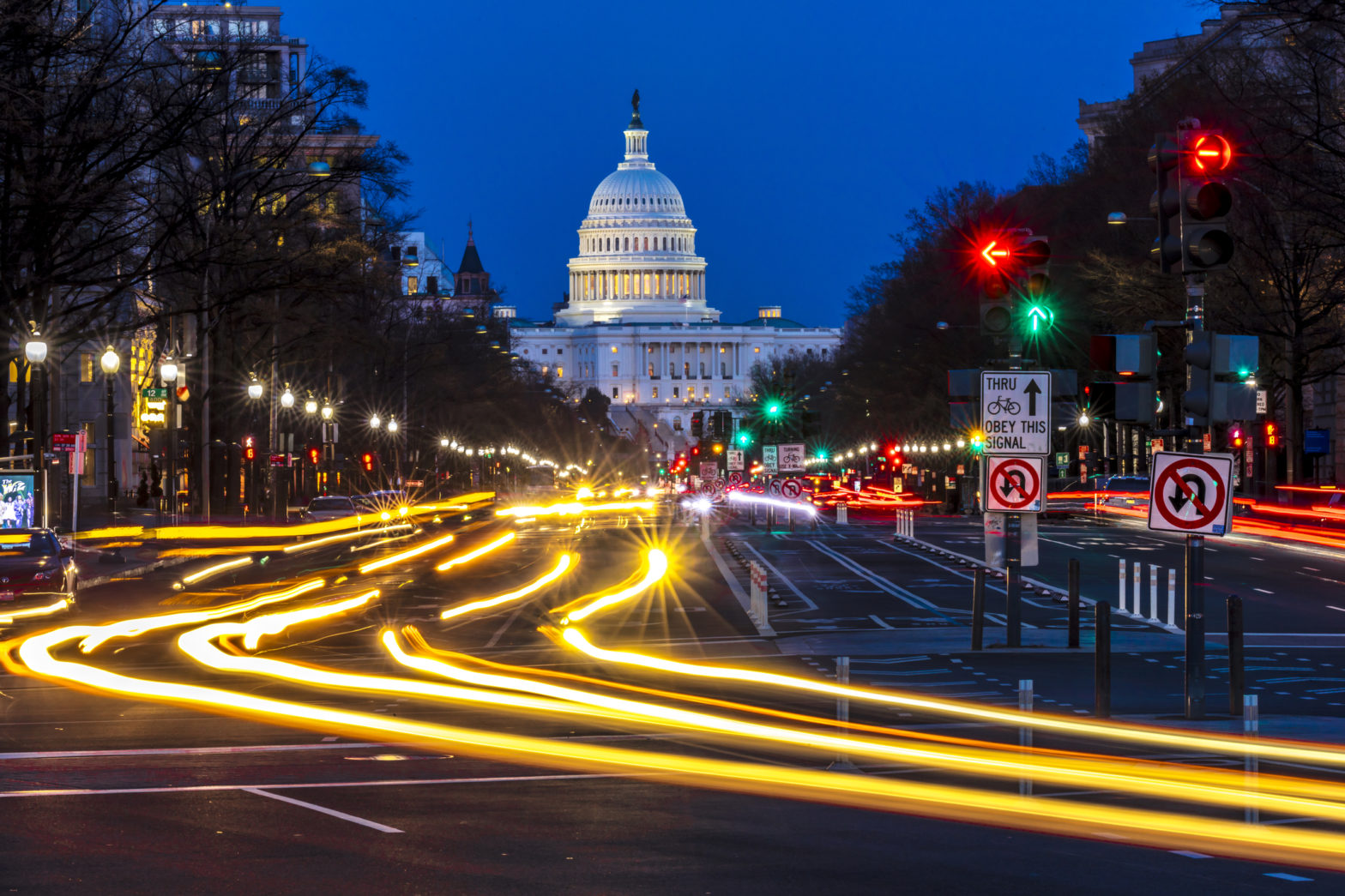
Main image: Joe Sohm | Dreamstime.com