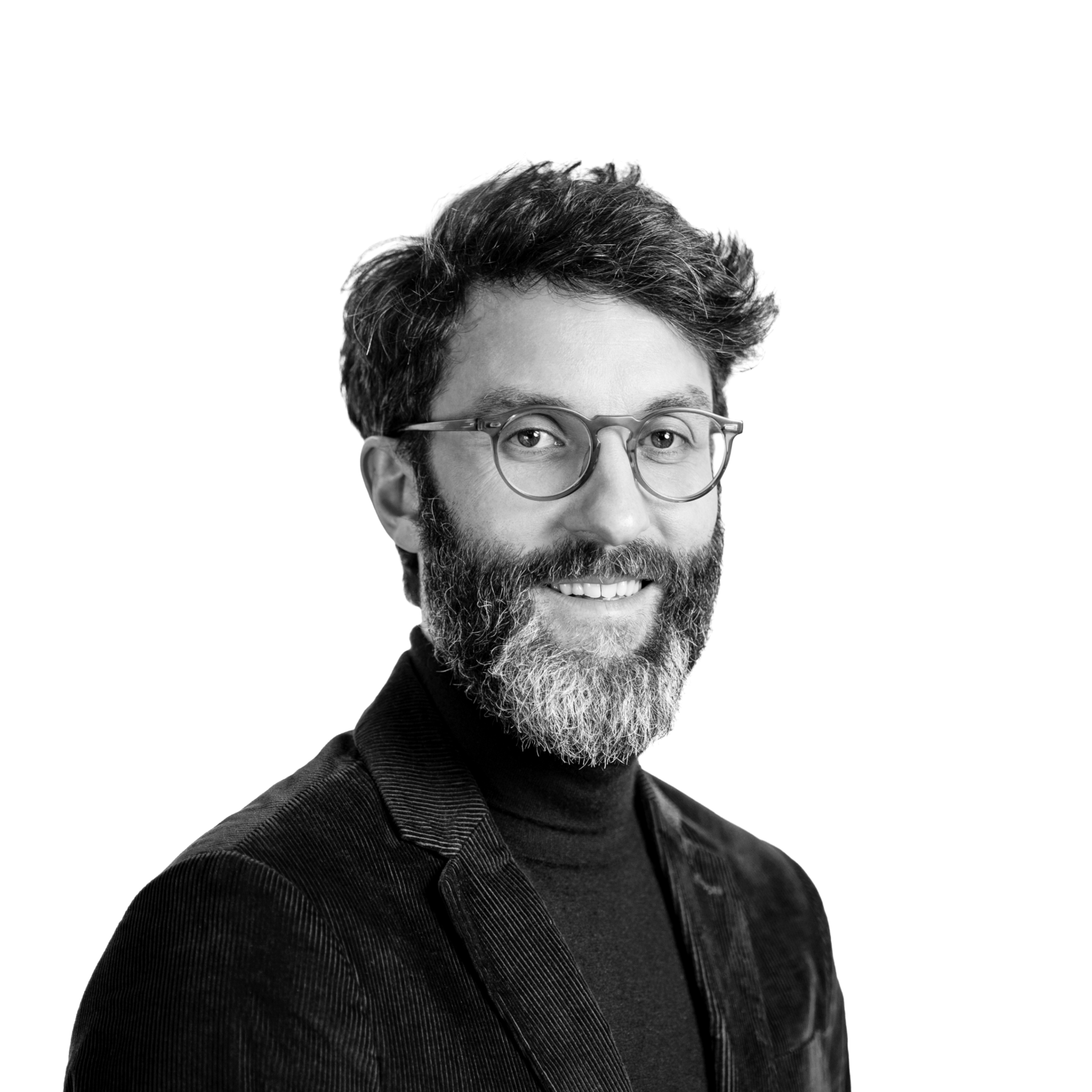
Former Prague CIO joins Cities Today Institute
09 July 2026
by Jonathan Andrews
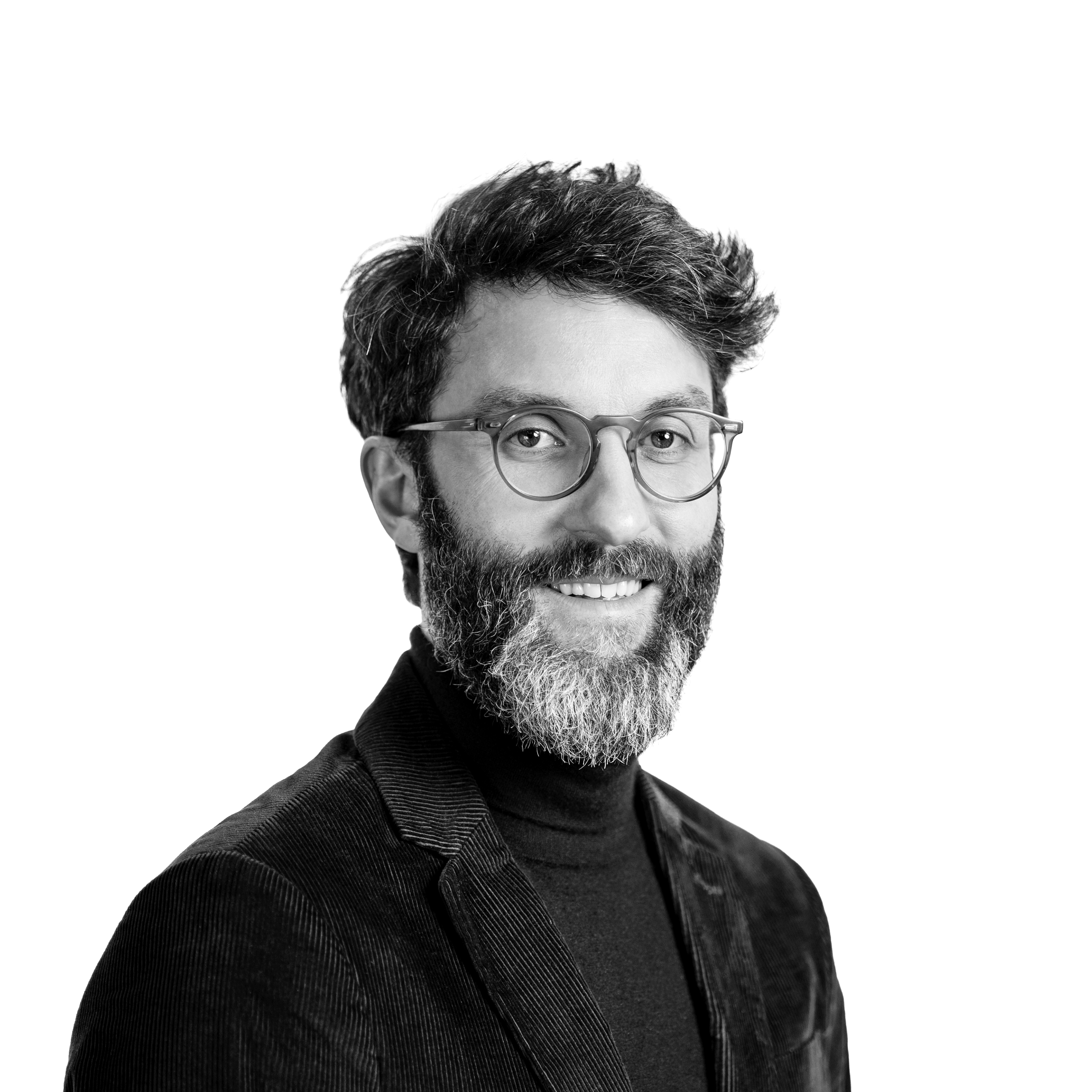
After five years leading innovation in Prague, Petr Suška is taking his experience to cities across Europe in his new role as Director of Innovation (EMEA) and Chair of the City Innovation Network in Europe at the Cities Today Institute (CTI).
Suška, who has also held roles with UNDP, Fraunhofer and Bosch, said the new position provides an opportunity to take the lessons learned in Prague and apply them across Europe by helping city leaders adopt practical approaches to innovation, data and artificial intelligence.
He was drawn to the role because of the Institute’s ability to bring together senior city leaders willing to openly discuss shared challenges and exchange practical experiences.
“As a CIO of the City of Prague, you get invited to a bunch of different things, and you tend to say no to those,” he told Cities Today. “However, the CTI events were the thing for me to always go to.”
For Suška, the value of the CTI events came not only from the programme itself but from the opportunity to learn directly from peers tackling similar issues, from AI adoption to digital transformation.
After five years leading innovation in Prague, he is now taking that experience to cities across Europe.
“I hope to do more practical things and help cities introduce real-world interventions to the way they operate,” he said, adding that his experience includes establishing open-source software sandboxes and agile AI development teams capable of introducing large language models across city government.
For Suška, the role is about moving beyond buzzwords. European cities, he argues, do not need more technology for technology’s sake. They need practical interventions that solve real problems: climate change, housing, mobility, public service delivery and the growing pressure on city administrations to do more with less.
“People ask, ‘Are you using AI with this?’ and the answer should be, you use AI if it brings value,” he said. “If it doesn’t, then maybe there’s a very low-tech intervention that you can take, because at the end of the day you’re trying to make an impact.”
Drawing on his experience in Prague, Suška said successful innovation starts with understanding the needs of residents and “the end users” before considering technology. Cities should also ensure they collect the right data to demonstrate whether projects improve efficiency, accessibility and public services.
“We always asked, how is this going to be used? Who is going to be using it? Is it going to be easy for them to use this, and are we collecting the right type of data?” he said.
As Director of Innovation (EMEA), Suška said he hopes to strengthen the City Innovation Network in Europe by creating more opportunities for cities to learn from one another and build trusted relationships that accelerate innovation.
“I always thought that it wasn’t just a source of inspiration, but it was also a relationship-building experience,” he said. “Having that kind of network of other city practitioners that are passionate about helping cities become more sustainable and liveable is a very empowering thing.”