Washington DC seeks independent view of AV behaviour
12 June 2026
by William Thorpe
Washington DC is launching a pilot project to independently monitor autonomous vehicles (AVs) on city streets, as officials look to move beyond company-reported data and anecdotal complaints from residents.
The initiative, known as the Autonomous Vehicle Observation (AVO) Zone Challenge, will test technologies capable of detecting, monitoring and analysing autonomous vehicle (AV) activity in dense urban environments. The project is being led by the District Department of Transportation (DDOT) with support from US Ignite, Southwest Business Improvement District (SWBID), The George Washington University and the University of Washington.
While the city already receives some information from AV operators, officials say that data does not provide a complete picture of how vehicles interact with the wider transport network.

Stephanie Dock, Autonomous Vehicles Programme Manager at DDOT, told Cities Today that the agency wants to understand AV behaviour in the context of real-world traffic conditions and compare it directly with human drivers.
“With permitted operations, the city would receive more nuance on where the vehicles have driven and how that driving is going–where vehicles are needing human intervention and roads that are hard to navigate,” she said. “All of that focuses on data from the vehicles and operators. This project aims to look at AVs in context and allow us to compare behaviour between human-driven vehicles and AVs.”
The challenge reflects a growing issue for cities as autonomous vehicle deployments expand. While residents may report concerns about vehicle behaviour, transit agencies often lack the evidence needed to determine whether those concerns represent isolated incidents or broader patterns.
Dock pointed to the example of a resident reporting that an AV had turned a corner too quickly.
“Without external, ongoing observation and dialogue with the community it is hard to turn an anecdotal report into actionable data,” she said.
The pilot will focus on two busy intersections in Washington DC, where sensors will collect privacy-protected data on overall roadway activity alongside more detailed observations of AV movements. Researchers from George Washington University and the University of Washington will analyse trajectory data and other observations to help build a fuller picture of interactions between AVs, pedestrians, cyclists, transit users and other road users.
“The intention is to watch systemically and build a complete story around those interactions,” Dock said.
The city plans to share data generated through the project with its safety and roadway design teams and hopes the findings will inform future discussions around street design, regulation and AV operations. If successful, the pilot could be expanded to other parts of the District and shared with transit agencies in other jurisdictions.
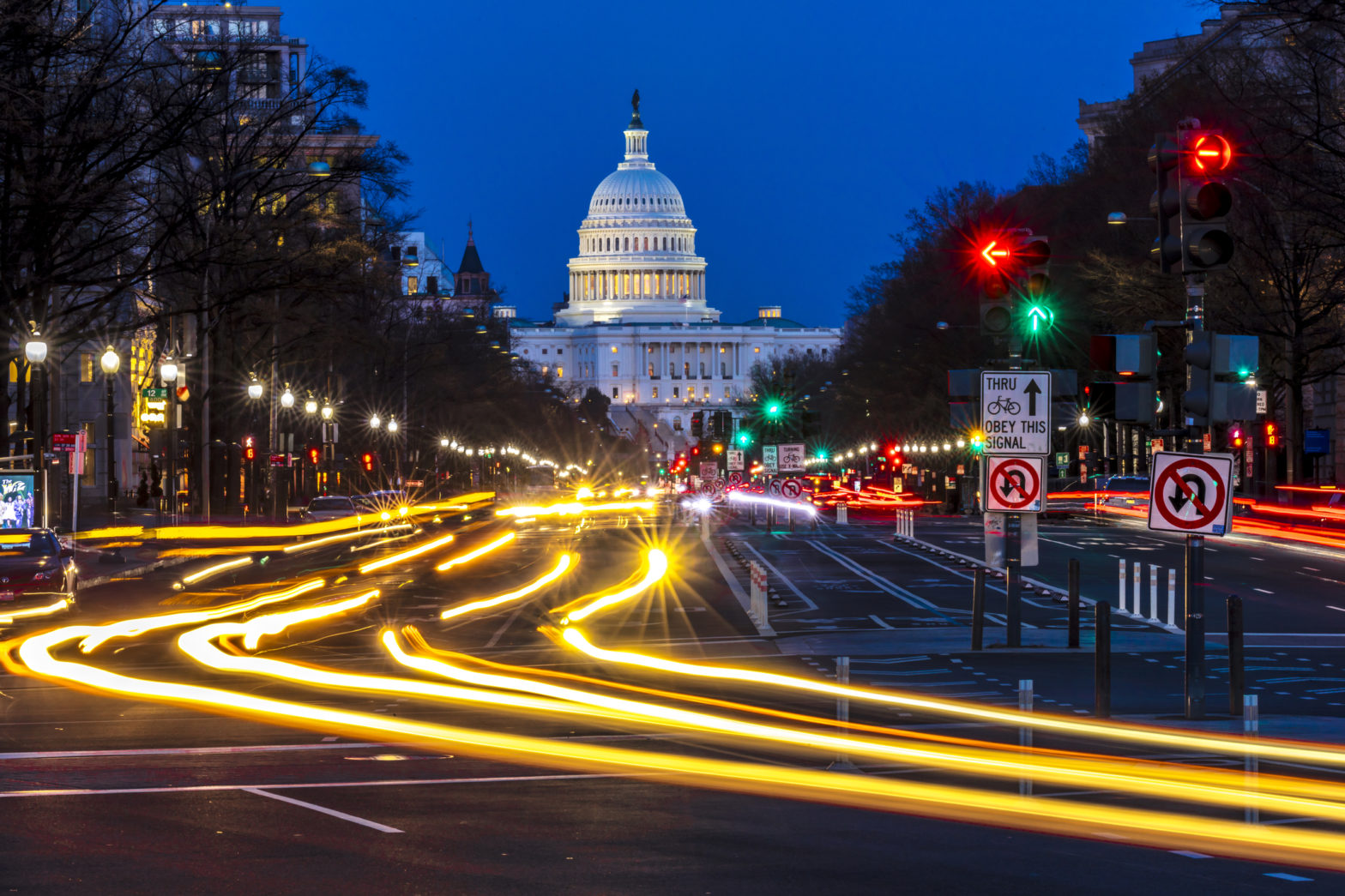
Main image: Joe Sohm | Dreamstime.com