
New Google-backed AI tool aids climate planning
08 June 2026
by Jonathan Andrews
CDP–a global environmental disclosure organisation–has launched an AI-powered platform designed to help cities, states and regions analyse climate risks, identify adaptation measures and prioritise resilience investments.
Developed with support from Google.org, the new Adaptation & Action Explorer combines climate hazard data, local government disclosures and artificial intelligence to help decision-makers navigate increasingly complex climate challenges.
The platform draws on environmental disclosure data from more than 1,000 subnational governments across 80 countries and includes an integrated AI assistant that allows users to interrogate large datasets using natural language queries.
Katie Walsh, Global Director of Cities, States & Regions at CDP, said the technology is intended to make climate intelligence more accessible rather than automate decision-making.

“The [AI tool] includes an integrated AI assistant designed to help users navigate and interpret large, complex climate datasets more efficiently,” she told Cities Today.
City officials can ask questions such as which adaptation measures are likely to have the greatest impact on vulnerable populations or which climate hazards are becoming more prevalent in a particular region. The system then surfaces relevant insights from CDP’s disclosure database to support planning and prioritisation.
The platform was developed through a six-month collaboration between CDP and Google. Through the Google Fellowship programme, Google.org provided engineering expertise, while Google contributed mapping, visualisation and cloud capabilities. Climate hazard datasets from Google Earth Engine have also been integrated into the platform alongside CDP’s disclosure data.
One of the biggest technical challenges, according to Walsh, was combining fundamentally different types of information.
“Climate risk datasets are typically geospatial, quantitative and model-based, while subnational government disclosures are often qualitative and can vary significantly in structure, detail and reporting approaches,” she said.
The platform aims to bridge that gap without making assumptions where data does not exist, allowing users to explore connections between climate risks and adaptation actions while maintaining transparency.
Trust and explainability were central considerations during development. Walsh said the system is built on CDP’s own disclosure data rather than information gathered from across the internet, enabling users to understand the source of the insights they receive.
“A range of guardrails, governance processes and accuracy checks have been built into the tool to support responsible use and minimise the risk of inaccurate outputs,” she said.
The AI assistant remains in beta and is intended to support expert judgement rather than replace it.
Walsh believes AI could significantly change how cities approach climate adaptation over the next five years, shifting planning from periodic exercises to more continuous, data-driven decision-making.
“In practical terms, that could mean faster planning cycles, more targeted investments, and more proactive responses to extreme weather events,” she said.
CDP says the platform will also help governments identify investable resilience projects, compare adaptation strategies with peer cities and communicate funding needs more effectively to investors and delivery partners.
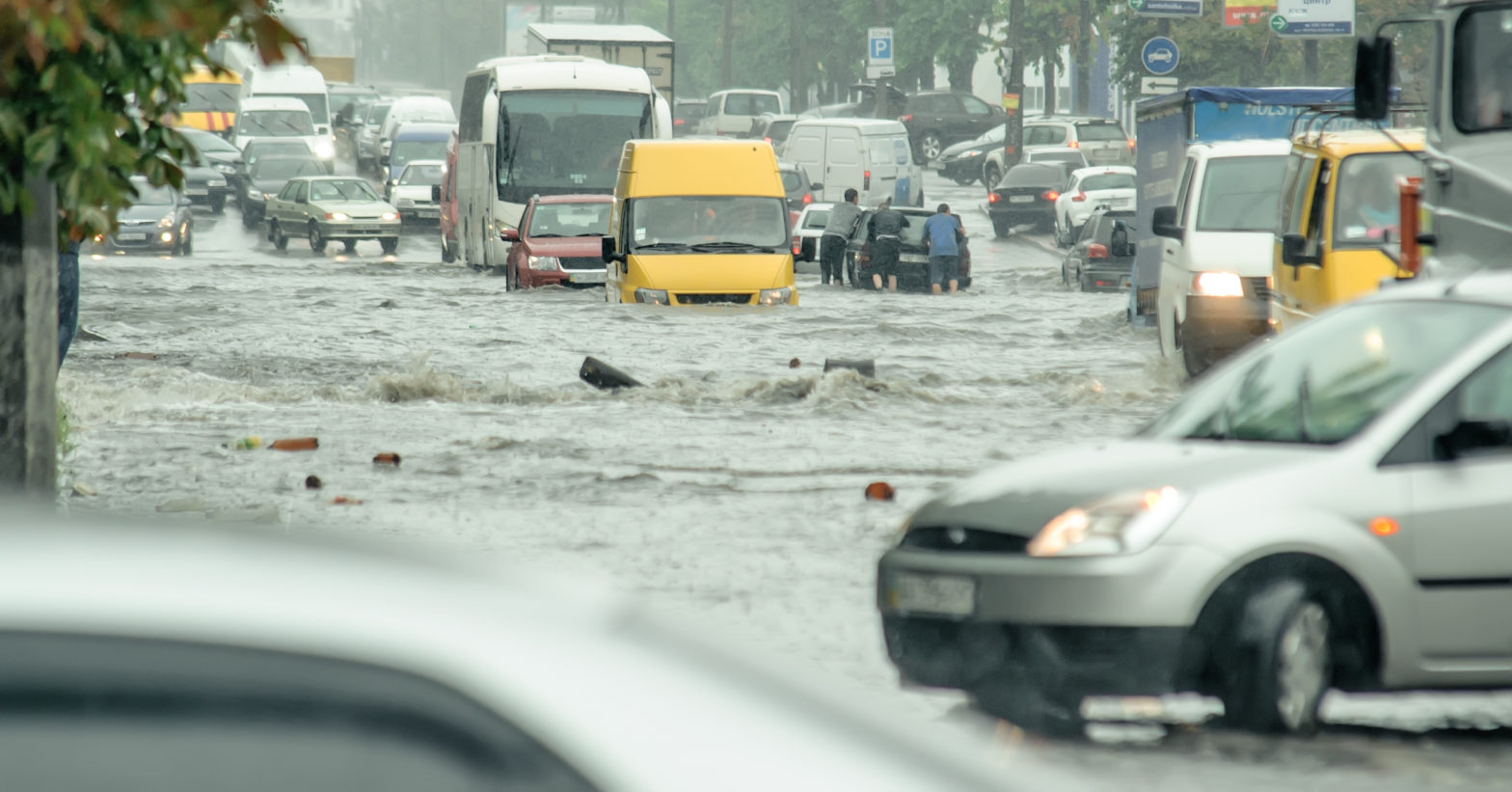
Main image: Absurdov | Dreamstime.com