New AI tool helps cities explain spending decisions
27 May 2026
by Jonathan Andrews
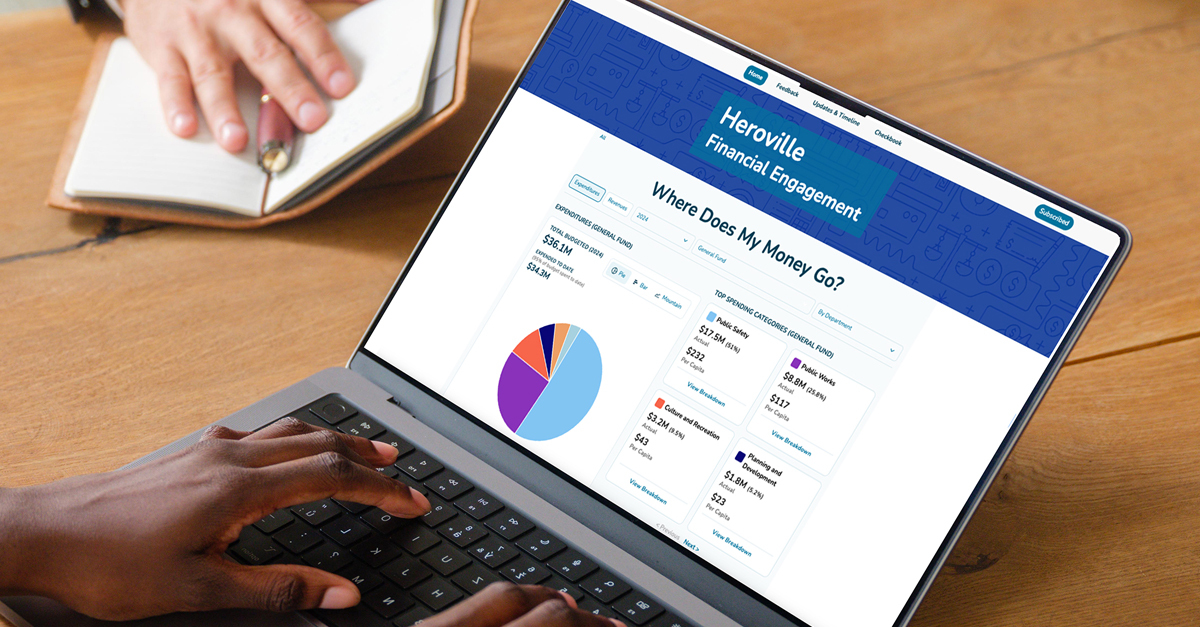
A new AI-powered platform designed to help local governments gather resident feedback and build support around budgets, tax overrides and capital spending decisions has been launched by ClearGov.
The Financial Engagement platform was piloted with Rochester Hills, Michigan; Cleveland, Ohio; Placer County, California; and Southwest Public Libraries, Ohio. It combines AI-generated budget summaries with polls, surveys, SMS engagement tools and sentiment analysis intended to help municipalities better understand resident priorities and concerns.
Speaking to Cities Today, Tyler Davey, CEO of ClearGov, said the platform was developed in response to concerns from municipalities that existing transparency tools were failing to generate meaningful public understanding or participation.

“Historically, most cities approached transparency the same way: create the budget, publish the budget, and assume the job was done,” he said. “That usually meant uploading a 300- to 500-page PDF to a microsite and expecting residents to navigate it on their own.”
Davey said local governments had spent years improving transparency websites and producing shorter budget summaries, but many residents still struggled to understand why funding decisions were being made.
“Residents still had questions. Why is money being allocated to one project over another? Why are we repairing this bridge and not that one? Why hire more police officers instead of teachers?” he said. “Those are the kinds of questions communities want answered, but traditional transparency tools were largely static and one-directional.”
According to Davey, engagement around spending decisions was often limited to a small group of vocal residents attending council meetings, while many others lacked the time or confidence to engage with complex financial documents.
“What we kept hearing from customers was that engagement was happening too late,” he said. “That realisation pushed us to rethink the model entirely. Instead of building another static transparency portal, we asked: what if residents could interact directly with the information?”
ClearGov said the platform was also designed to align with updated criteria from the Government Finance Officers Association, which now awards points for digital engagement, accessibility and public participation as part of its Distinguished Budget Award programme.
“Historically, some governments viewed transparency as simply publishing information online. But that is no longer enough,” Davey said. “The GFOA’s updated criteria reflect a broader shift toward measurable engagement and accessibility, not just disclosure.”
One early adopter, Rochester Hills, used the platform to gather feedback around pathways and walkability near schools during discussions around a proposed pathway levy. According to Davey, the city was able to use AI-generated summaries to consolidate large volumes of public feedback into information that could be brought directly into council and board discussions.
“What made the process especially valuable was the ability to use AI-powered summaries to synthesize large volumes of resident feedback, questions, and sentiment into clear, actionable insights,” he said.
Davey said the broader aim was to help municipalities make spending decisions with a clearer understanding of community priorities, particularly during politically sensitive discussions around budget reductions, infrastructure investment and resource allocation.
Main image: ClearGov