
Cities strengthen democratic engagement as online threats grow
25 June 2026
by Jonathan Andrews
Four in five European mayors have experienced online violence, harassment or disinformation, according to a new survey that highlights growing concerns about democracy, public trust and civic engagement in cities.
The latest Eurocities Pulse Mayors Survey, based on responses from 88 mayors in 27 European countries, found that 80 percent of mayors have been directly exposed to online violence, harassment or disinformation, with one in three saying this happens frequently.
The findings come as democracy and services for citizens have risen into mayors’ top five priorities for 2026, up from seventh place last year and ninth in 2024. More than a third of mayors now rank them among their top priorities.
Mayors also identified rule of law backsliding as the biggest existential threat facing the European Union over the next decade, cited by 36 percent of respondents.
According to Eurocities, city leaders are responding by strengthening public services, speaking directly to residents, improving transparency and trust, and expanding opportunities for participation in local decision-making.
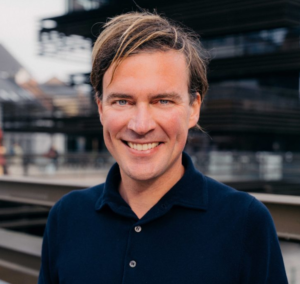
“Democracy is something we practice every day in our cities,” said Mathias De Clercq, President of Eurocities and Mayor of Ghent. “Mayors are often the first to feel the pressure of polarisation and mistrust, but we are also the first to respond. Deliberative democracy, where people are directly involved in shaping decisions, is becoming mainstream in Europe’s cities, with 98 percent of mayors planning to use it in future decision-making.”
The survey found that deliberative democracy is becoming increasingly embedded in city governance. Overall, 98 percent of mayors expect it to be used at least sometimes in future decision-making, while 57 percent foresee it being used in a structured or regular way.
Eurocities said cities are also becoming more vocal in defending democratic values internationally. Influencing EU priorities, projects and processes is now the leading focus of city diplomacy, selected by 51 percent of cities, up from 32 percent in 2023.
A majority of mayors also said they take public positions that may differ from those of their national governments when core values are at stake. The most common issues are human rights, democracy and the rule of law, cited by 53 percent of respondents.
“People need to feel that democracy delivers, and that starts with being able to live, work and belong in their city,” said André Sobczak, Secretary General of Eurocities. “Cities are ready to act, but they need the tools, resources and autonomy to do so.”
The fourth edition of the Eurocities Pulse Mayors Survey was conducted between December 2025 and February 2026 and is based on responses from mayors across the Eurocities network.
Main image: Nataliia Mysik | Dreamstime.com