
Greater Phoenix innovation consortium appoints former Intel executive
05 February 2026
by Jonathan Andrews
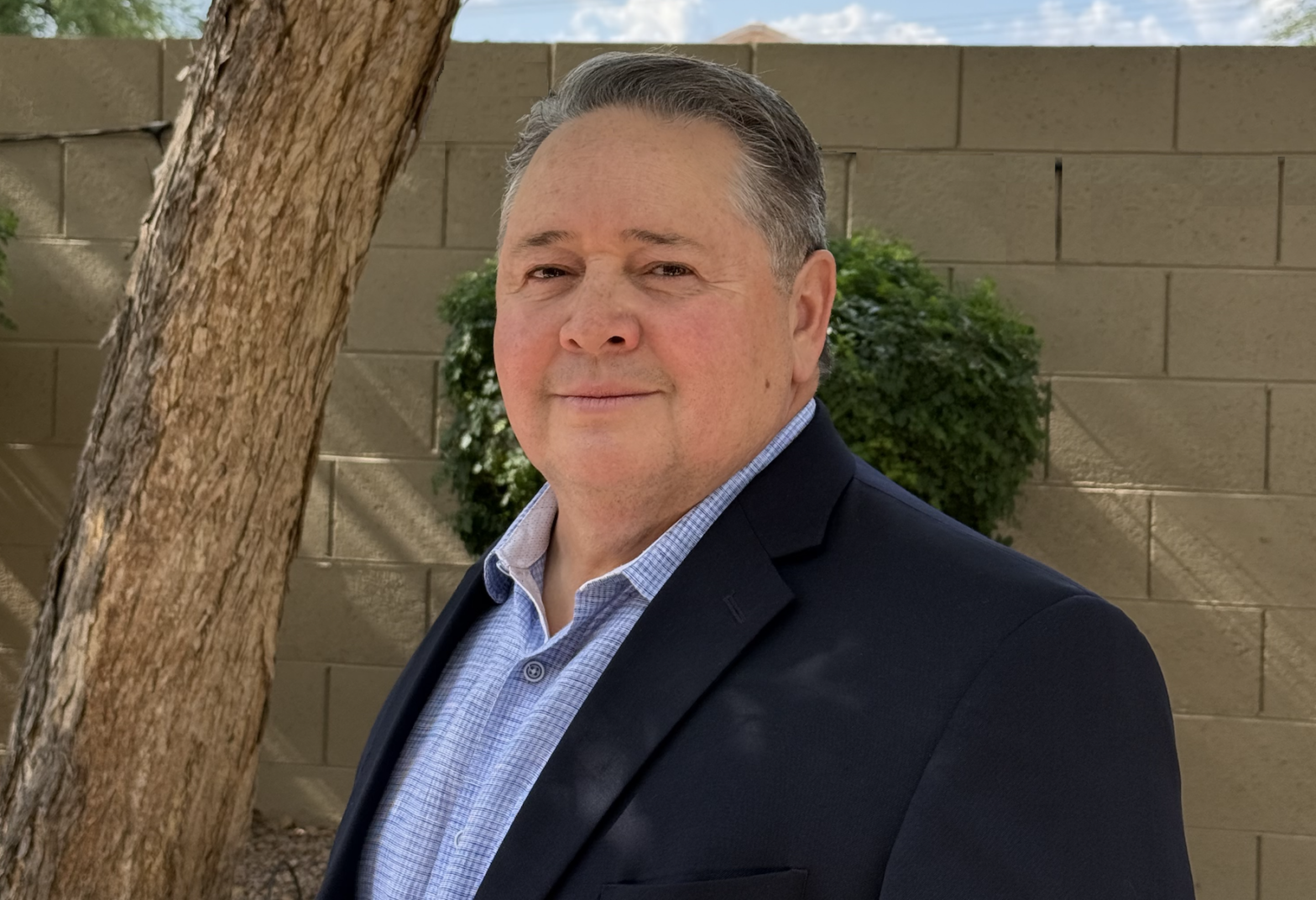
The Connective, Greater Phoenix’s regional technology and innovation consortium, has appointed former Intel executive Chris Lucero (pictured) as Technology and Design Director, strengthening its effort to coordinate digital infrastructure and civic technology across municipalities in the metropolitan area.
The Greater Phoenix metropolitan area includes cities such as Phoenix, Tempe, Mesa, Chandler, Scottsdale and Glendale, which participate in a range of regional initiatives through The Connective aimed at addressing shared operational and technology challenges.
Lucero brings more than three decades of experience spanning emerging technologies, systems engineering and secure digital infrastructure. In his new role, he will work directly with member cities to develop and deploy practical technology solutions, while shaping long-term roadmaps that allow municipalities to collaborate on shared challenges such as operational efficiency, connectivity, mobility and sustainability.
After stepping away from a long corporate career, Lucero said the role offered an opportunity to continue learning while applying his experience in a civic context.
“I’ve been fortunate to have had an amazing career,” he told Cities Today. “One that took me from aerospace to medical devices to high-tech computing. After early retirement from Intel, I was looking to keep learning, to share my experiences, and to have purpose. If I can help our cities onboard new and emerging technologies to improve their organisations and residents’ lives, then that’s what I would call success.”
A central focus of Lucero’s work will be helping cities build internal capability and confidence in the technologies they deploy. Drawing on lessons from his time in industry, he stressed the importance of long-term ownership rather than short-term implementation.
“Customers need to learn the technology for themselves,” he said. “Ultimately, they will be the ones in charge of their products, strategies, and successes or failures. Just showing them the tools does not make them experts, nor promise long-term success. Cities are no different than manufacturing companies; they must embrace their role in the digital world.”
Collaboration across municipal boundaries sits at the heart of The Connective’s model, but Lucero acknowledged the organisational and cultural barriers that can limit cooperation.
“The term ‘frenemies’ comes to mind,” he said. “People in similar roles will always see their peers as colleagues and competition. [But] if one city is good at AI infrastructure and creates a successful recipe, it can share that with another city that has deployed digital twin technology or smart traffic solutions. A win-win outcome is the goal.”
Lucero also cautioned against rushing into overly complex or immature technologies, adding that cities should be wary of committing too early to technologies that remain on the “bleeding edge”. Balancing near-term delivery with longer-term strategy will be another priority.
“Marathons are run one mile at a time,” Lucero said. “Think of incremental micro goals that make up a macro one.”
He encouraged cities to prioritise challenges with the greatest potential return, informed by input from a wide range of stakeholders across departments.
Lucero also advocates modular infrastructure that can evolve over time. “You don’t have to deploy all of those at once, but it’s much easier to build upon the base as part of a long-term plan,” he said, pointing to connected lighting infrastructure as an example of systems designed for future expansion.