Why cities are entering a new phase of innovation maturity
23 April 2026
by Rikesh Shah
By Rikesh Shah, Chair of City Innovation Network – Europe
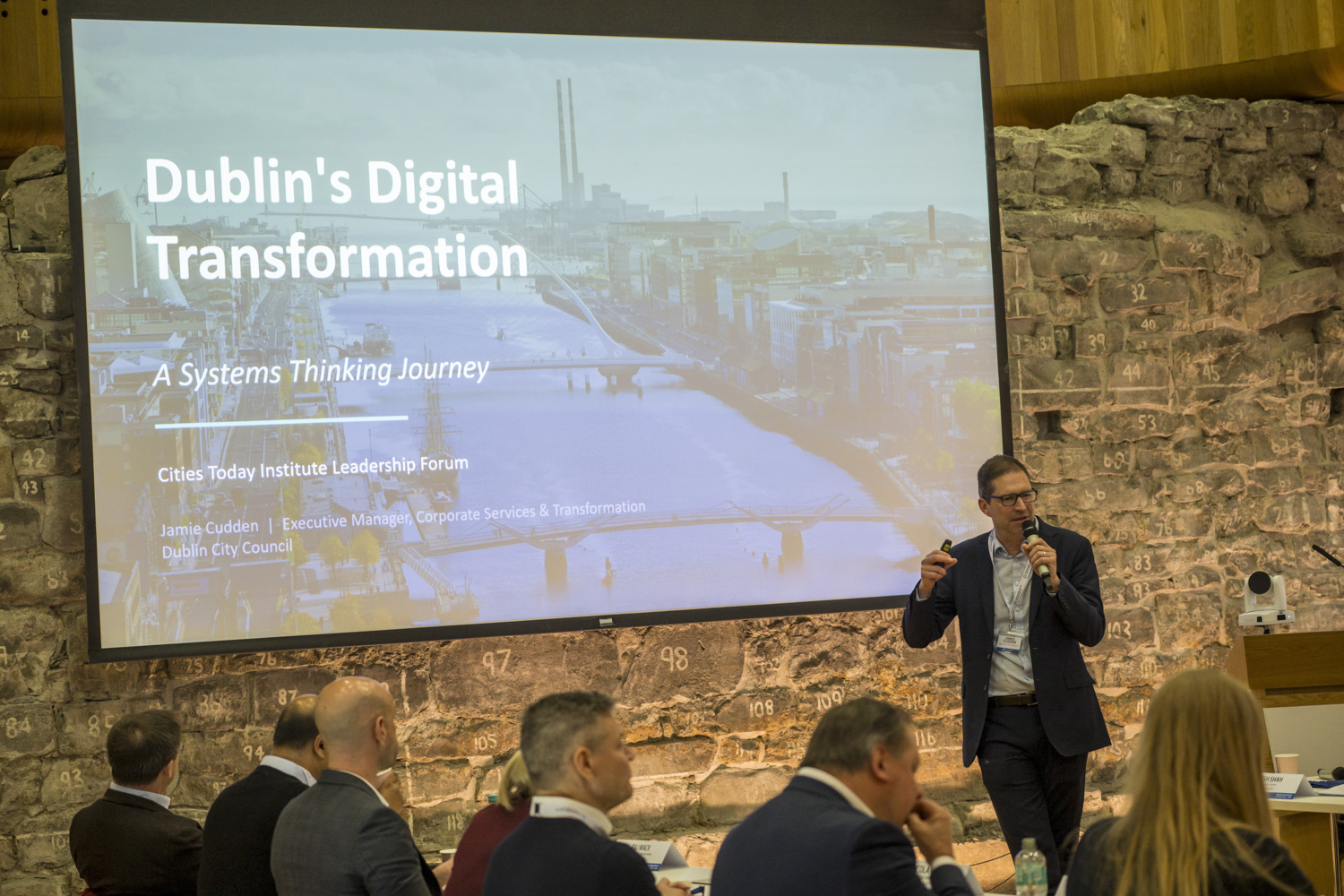
Cities have become the world’s most important proving grounds for innovation — and with the wider geopolitical shifts happening at national levels, the role of the city is only growing. Cities are where climate ambition meets infrastructure, where AI meets public trust, and where mobility, housing, waste collection and digital services collide with the realities of everyday life. That’s why convening city leaders in Dublin last month felt so timely.
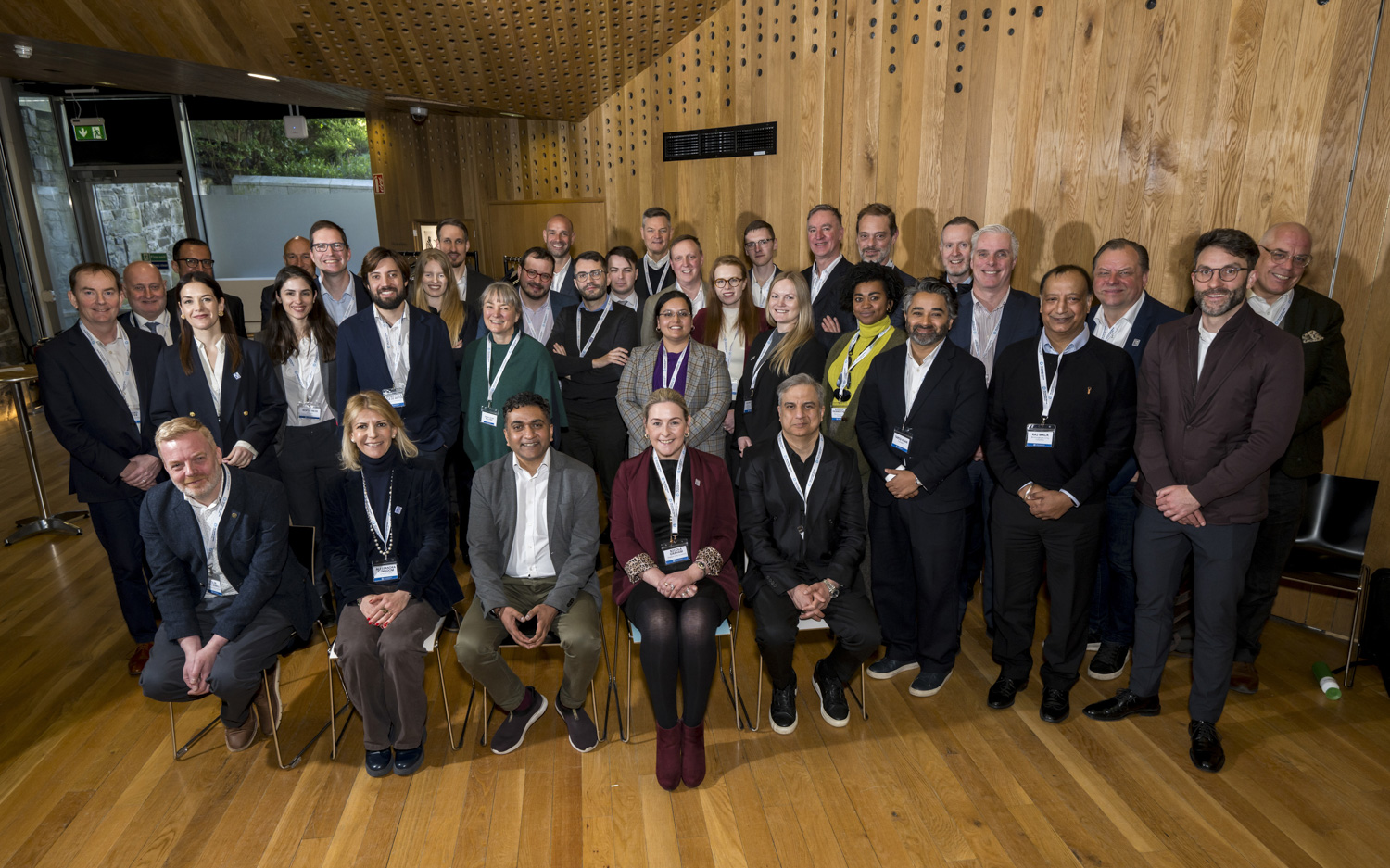
As Chair of the European chapter of the City Innovation Network, I had the pleasure of moderating over twenty senior city officers responsible for digital services and innovation, alongside executive leaders from both start‑ups and global industry. Across two days of honest, practical discussion, one thing became unmistakably clear: cities are entering a new phase of maturity. Not one defined by experimentation for its own sake — what I often call innovation theatre — but by the foundations, partnerships, scaling pathways and cultural shifts required to deliver real impact.
We spoke about culture, leadership, procurement and citizen‑focused delivery — the things that really matter if we want to leverage value from advances in technology and achieve better public‑policy outcomes.
Dublin was the perfect setting for this conversation. A city with deep history and a modern appetite for transformation, it has embraced innovation with purpose, partnered with industry without losing sight of public value, and built a civic culture where experimentation is grounded in community needs. That spirit shaped every discussion. Quite often, I see lots of papers and guidance on innovation in cities that feel academic but here we saw leaders sharing their vulnerabilities, concerns and nuances at a local level with the key element being that this felt grounded in reality. No gloss, academic theory or hype but a genuine focus on applying innovation to create more value for cities and places.
Beneath the breadth of topics, three deeper currents ran through the conversations as the practical steps cities must get right.
- The foundation layers that make innovation real
One theme came through strongly: innovation doesn’t begin with technology — it begins with a city vision, evidence-based problems, curiosity, partnerships, systems, leadership and acknowledging legacy-based systems.
Cities consistently highlighted the same foundational needs:
- data and interoperable data standards
- ethical and secure AI frameworks
- openness and transparency
- modern procurement models and partnerships
- digital infrastructure that cities can actually control
- governance structures that enable responsible experimentation
These layers rarely make headlines, but they determine everything else. Without them, cities end up with fragmented systems, duplicated effort and pilots that never scale. With them, cities can move faster, collaborate more effectively and build public trust.
This is the quiet work that underpins transformation — and cities are now treating it as a strategic priority rather than a technical afterthought.
- The shift from pilots to scaling — and the honesty it requires
For years, cities have been encouraged to pilot new technologies. Pilots have value, but only when they lead to adoption. Through my work at Transport for London and more recently at the Innovation Procurement Empowerment Centre, I’ve seen countless proof‑of‑concepts and pilots that unfortunately never progress further.
What was refreshing in Dublin was the honesty: many pilots don’t scale not because the technology is flawed, but because the system around it isn’t ready. And this time, both cities and industry were in the room working through this together, sharing examples from across Europe.
Cities are now asking more mature questions:
- How do we scale what works, rather than endlessly testing what’s already been proven elsewhere?
- How do we build internal capability so cities can own their digital futures?
- How do we embed innovation into mainstream operations rather than treat it as a side project?
Another encouraging shift was the willingness to share failures, not just successes — because that is how collective progress accelerates.
One moment stood out: a city describing how it had redesigned its operating model so that service design and outcome‑based requirements were embedded into the organisation itself. That kind of change requires leadership and political will, strong internal relationships and tenacity.
- Culture and change: the human engine of innovation
Technology alone doesn’t transform cities. People do. And the cultural dimension of innovation — the willingness to collaborate, to challenge legacy processes, to embrace responsible risk — was one of the strongest themes in Dublin.
Cities emphasised the importance of:
- building AI literacy across the workforce
- empowering frontline staff
- building capability
- engaging communities as co‑designers
- creating environments where experimentation is encouraged but accountability is clear
- developing new roles that didn’t exist in traditional government structures
This cultural work is often the hardest part of innovation, but it is also the most decisive. Without it, even the best technologies and frameworks will fail to take hold.
Dublin reminded us that innovation is ultimately a human endeavour — shaped by leadership, trust and the ability to work across boundaries.
A network ready for the next chapter
Cities are increasingly moving away from point‑based solutions and towards creating the conditions for long‑term capability: building the foundation layers, scaling what works and cultivating the cultures that will define the next decade of urban innovation.
These three areas are the focus of the working groups that we have launched to take forward the work from the Dublin forum.
The future will not be shaped by isolated breakthroughs. It will be shaped by networks —of cities, industry innovators, researchers, start‑ups and communities—who understand that collaboration is the only way to solve complex problems at pace.
Dublin showed what that future might look like: open, ambitious and grounded in public purpose. The task now is to turn this momentum into sustained action.
If you are interested in learning more about the City Innovation Network, its programme of activities, or how to become a member, please click here.