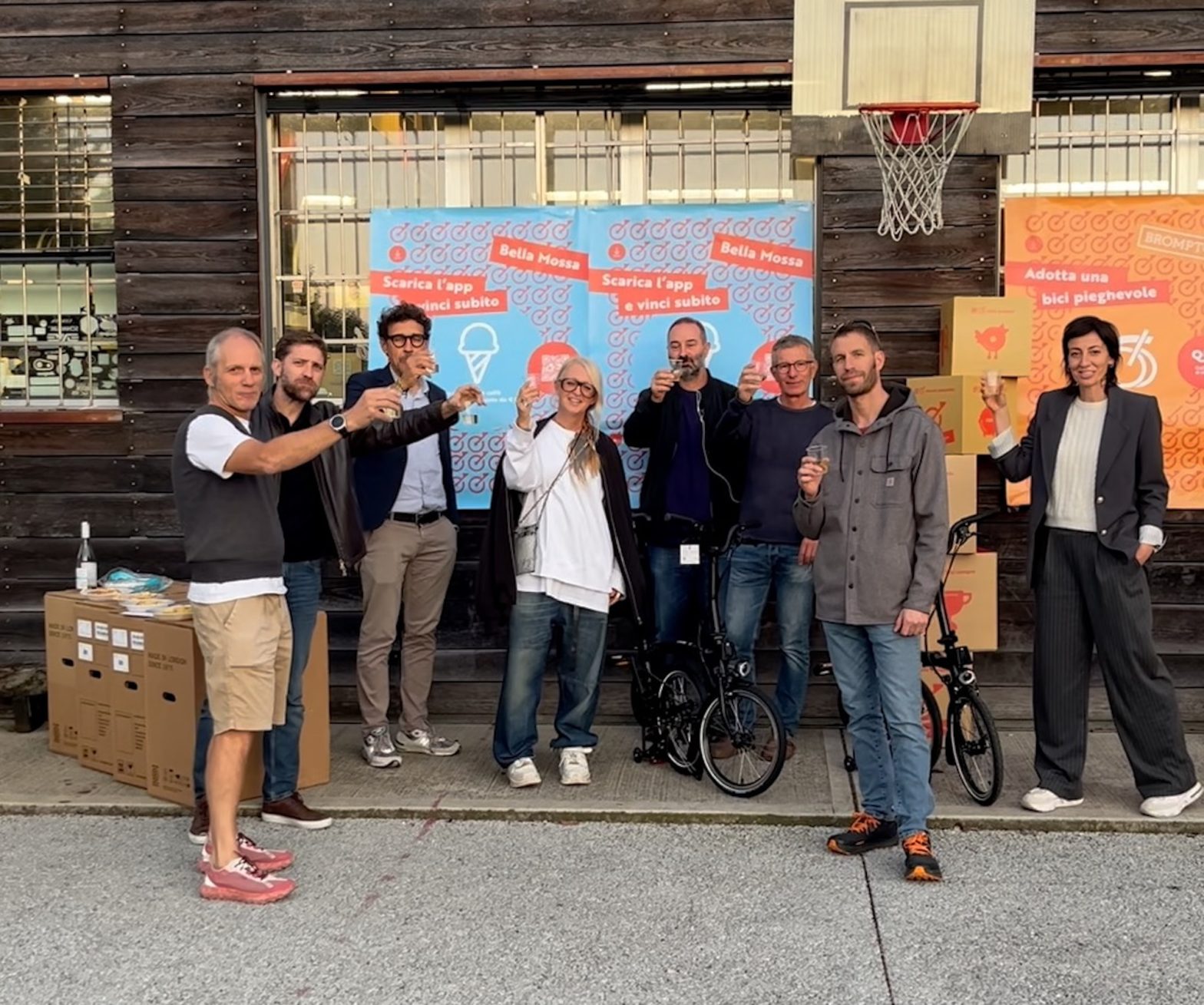
Venice tests incentives to shift travel behaviour
27 January 2026
by William Thorpe
In Venice, a new generation of mobility apps is testing whether cashback, vouchers and gamified rewards can succeed where congestion charges and visitor taxes have struggled, nudging travellers onto public transport and bicycles during peak tourism periods.
The pilots form part of the Toyota Mobility Foundation Sustainable Cities Challenge Venice, which is backing behaviour-change solutions designed to increase use of existing low- and zero-carbon transport modes. The focus is on the mainland and motorised islands, where congestion linked to tourism and daily commuting continues to place pressure on roads and public transport networks.
Rather than introducing new infrastructure or additional restrictions, the challenge centres on motivation and habit. Finalists are testing whether incentives, information and behavioural nudges can reshape everyday travel decisions and smooth crowding before it builds in the historic centre.
Rewards over restrictions
One of the finalists, Andemo, developed by Factual Consulting, combines journey planning with a cashback-style rewards system aimed at making sustainable travel more appealing.
Josep Laborda, CEO & Managing Partner at Factual Consulting, told Cities Today that the app’s strongest impact has come from reframing greener travel as something users actively benefit from.
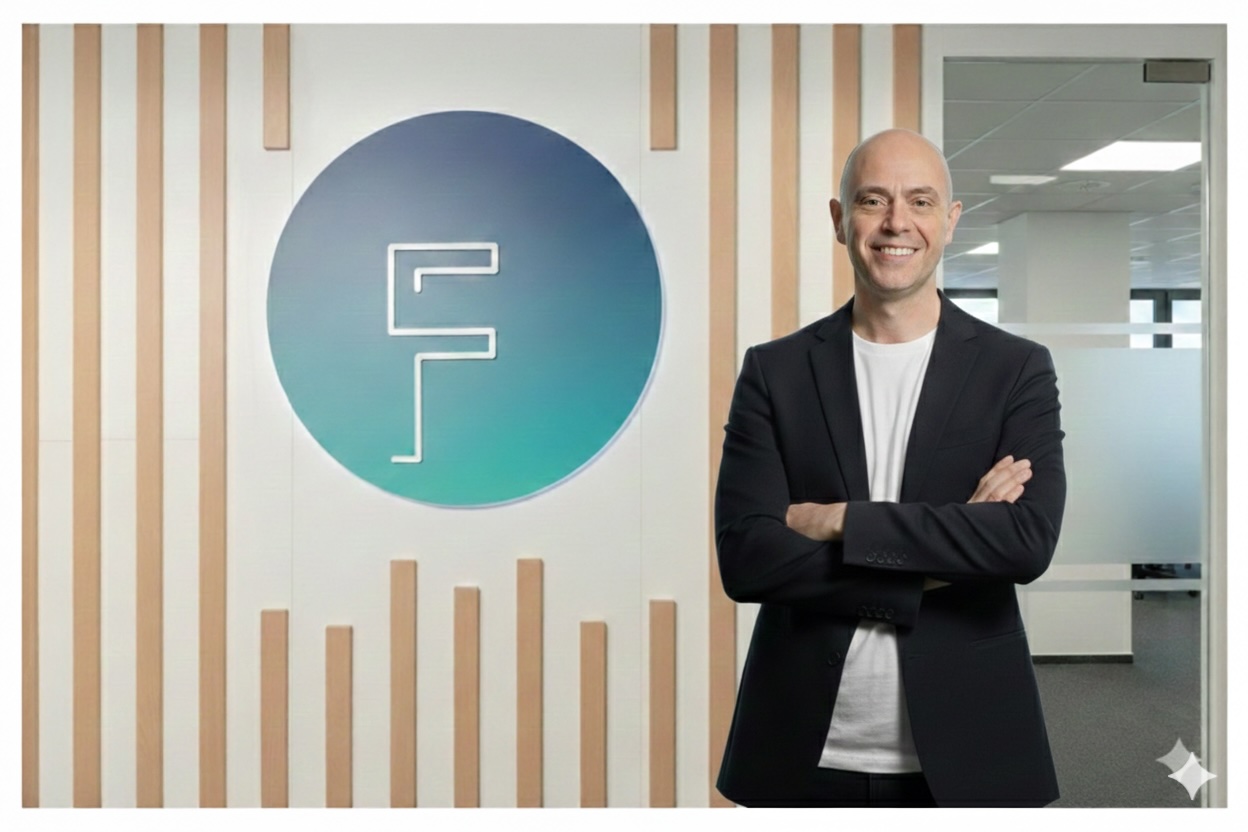
“The most impactful feature has been the ability to turn sustainable travel into a rewarding experience,” Laborda said. “By combining a simple journey planner with gamified rewards based on a cashback system, we aim to make green choices the obvious ones.”
Early usage data suggests the approach is encouraging more flexible travel behaviour. Laborda said that 61 percent of active users now use the app specifically to plan trips that combine different modes of transport. Engagement with park-and-ride infrastructure is also growing, with 12 percent of active users claiming rewards for using bike parks on the mainland.
“While this doesn’t necessarily mean everyone abandoned their car overnight, it is strong evidence that when you make using a park-and-ride facility rewarding, people are more keen to engage with that infrastructure,” he said.
Nudging travel before congestion hits
Beyond encouraging modal shift, Andemo is also being positioned as a crowd-management tool.
“Our solution aims to smooth out the flow of people by offering smarter, stress-free alternatives before travellers even reach the busiest areas,” he added.
The app highlights park-and-ride hubs such as Piazzale Candiani Bike Park and uses in-app notifications linked to weather conditions or wellbeing prompts to influence travel choices. Integration of real-time bus data is planned for early 2026.
Another finalist, Bella Mossa, developed by BetterPoints, takes a similar incentives-based approach but places particular emphasis on user autonomy. Jack Windle, Chief Sustainable Transport Officer at BetterPoints and developer of Bella Mossa, told Cities Today that long-term behaviour change depends on giving users meaningful choice.
“The most effective reward to sustain long-term behaviour change is choice,” Windle said. “That’s why Bella Mossa rewards sustainable trips with a currency–BeiPunti–which our members can spend or donate to charity.”
Measuring behaviour change
In Venice, popular rewards have included gelato and supermarket vouchers, while experience in the UK has shown coffee vouchers to be especially effective in sustaining participation.
Windle said the flexibility of the reward system allows users to save BeiPunti for larger purchases or donate them to charities, including Amnesty International.
The company has also begun to generate tangible data for city authorities. Windle said participants have recorded 52,789 sustainable trips, covering 134,956 kilometres. Follow-up questions show that 61 percent of respondents said a recorded trip replaced a car journey, suggesting more than 32,000 avoided car trips and an estimated saving of 12 tonnes of CO₂ emissions. A time-series analysis of GPS-recorded trips showed that two thirds of drivers used their cars on fewer days per week after taking part.
For Andemo, the early signals suggest the value lies as much in mindset change as in immediate revenue impacts.
“While it is early days for tracking direct revenue, the evidence for a positive shift in mindset and experience is already strong,” Laborda said. “These numbers tell us we are successfully building a community that is ready to embrace a greener way to move around the city.”
The winners of the challenge are set to be announced by the end of May.
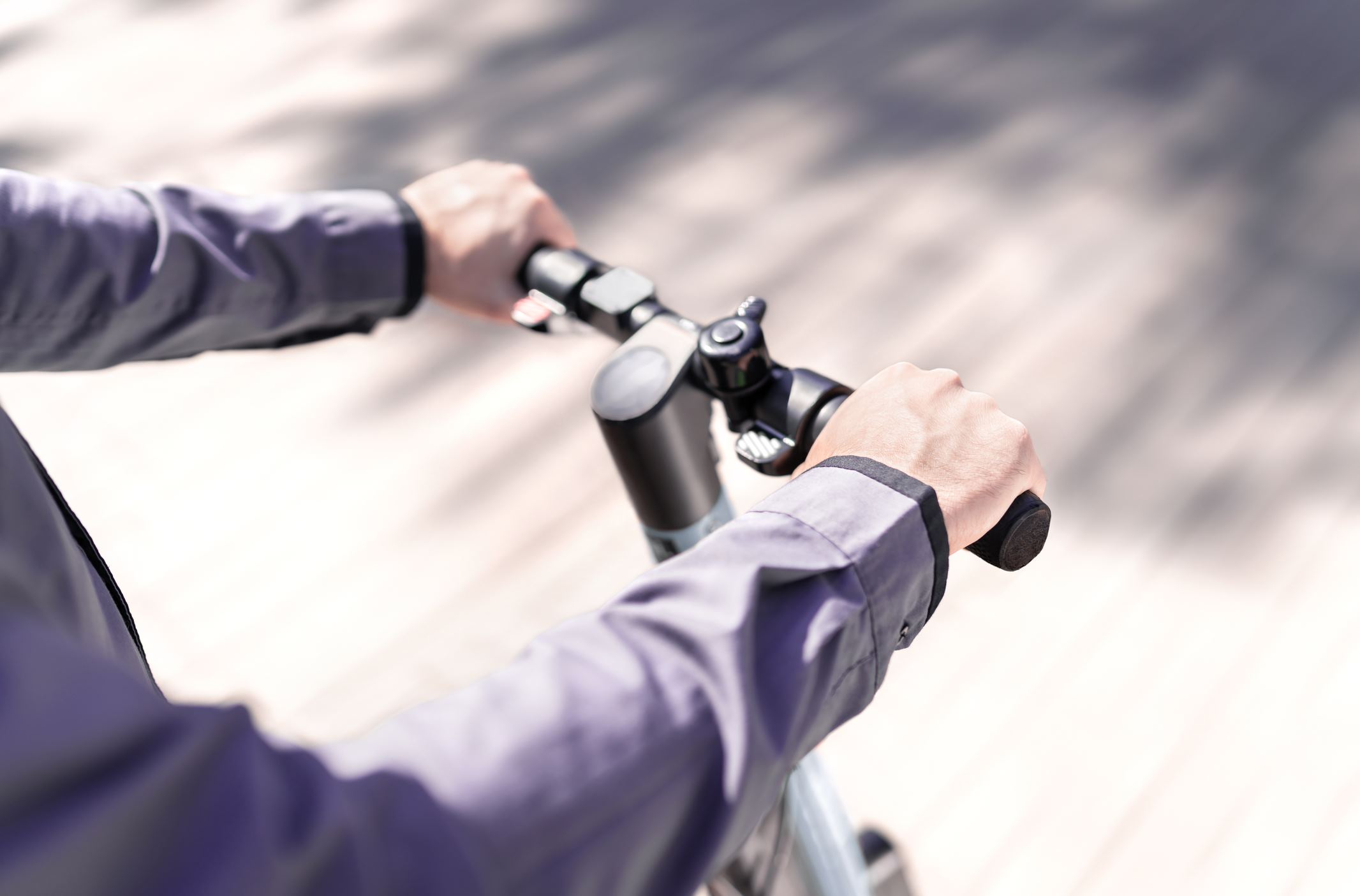
Main image: Bella Mossa