Raleigh moves AI agents into city services
05 August 2026
by Jonathan Andrews
The City of Raleigh plans to extend AI agents from its internal service desk to resident services after using the technology to resolve nearly half of IT support requests autonomously.
The North Carolina city became the first municipal government to deploy ServiceNow’s L1 AI Specialist in production. Its agents now route requests, answer employee questions and complete common tasks without human intervention. Raleigh has set a target of resolving 85 percent of IT support requests autonomously.
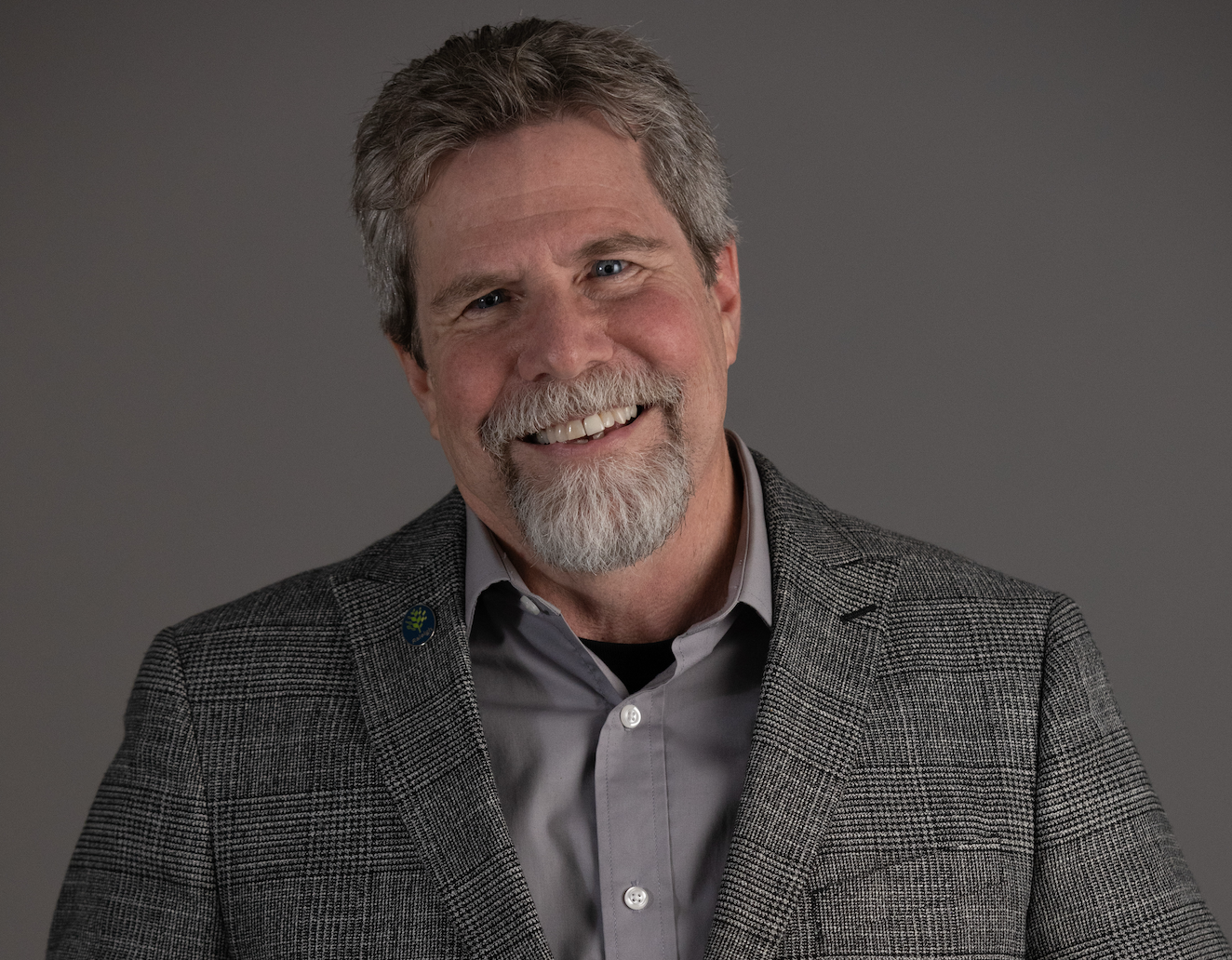
“Let’s face it, government budgets are not getting any bigger and staff resources continue to be a challenge as Raleigh grows,” Mark Wittenburg (pictured), CIO, City of Raleigh, told Cities Today. “IT had to innovate.”
The city uses two AI agents. Ral-E guides employees through service requests, routes tickets and answers questions using Raleigh’s knowledge base across IT, human resources and facilities.
Alli, its L1 AI Specialist, handles common requests from beginning to end, escalating cases when human involvement is required. Through early access to an autonomous workforce of AI specialists, Raleigh is seeking to move from systems that assist staff to agents that complete entire tasks.
“With the ServiceNow AI agents taking the load off, our staff can cross-train, learn new skills, and focus on bringing what we’ve learned on our journey to assist other departments to accelerate their business goals,” Wittenburg said.
Raleigh now wants to make Ral-E and Alli available to residents navigating municipal services. Its Ask Raleigh public-service portal provides a foundation for the city to apply lessons from its internal deployment to community-facing services.
“One of the challenges in local government is that residents don’t always know what to ask,” Wittenburg said. “The goal is to guide them like someone who’s been through it before and shift the city from reactive to preventive with fewer calls and faster answers by asking the question, ‘How do we anticipate and resolve challenges before they become a community concern?’”
Finance, facilities, transport and permitting are also on Raleigh’s roadmap because they combine large volumes of repetitive work with extensive data. The city is piloting agents in finance and cybersecurity to analyse complex, cross-departmental datasets that currently take days to process.
Wittenburg said Raleigh’s deployment was supported by more than a decade of work on its technology and data foundations. The city had already introduced digital workflows for IT service management, human resources, facilities and security, creating structured data and a trusted knowledge base.
It had also gained experience with ticket summarisation and traditional chatbots before testing the L1 specialist between February and April and deploying it in May.
Introducing autonomous agents required staff involvement, education and communication as employees reconsidered how their roles could change.
“The bottom line is to treat AI agents like employees you’re training, not magic black boxes,” Wittenburg said. “Build trust incrementally. Involve staff in improvement, not replacement.”
He advised other local government leaders to strengthen their data, knowledge and processes before pursuing standalone pilots.
“My advice is, do the basics, do them well, have a solid foundation, and then start to experiment,” Wittenburg said. “AI isn’t a replacement for those things. It amplifies them.”
Image: City of Raleigh