
Pittsburgh’s new CIO targets AI and digital modernisation
10 October 2026
by Jonathan Andrews
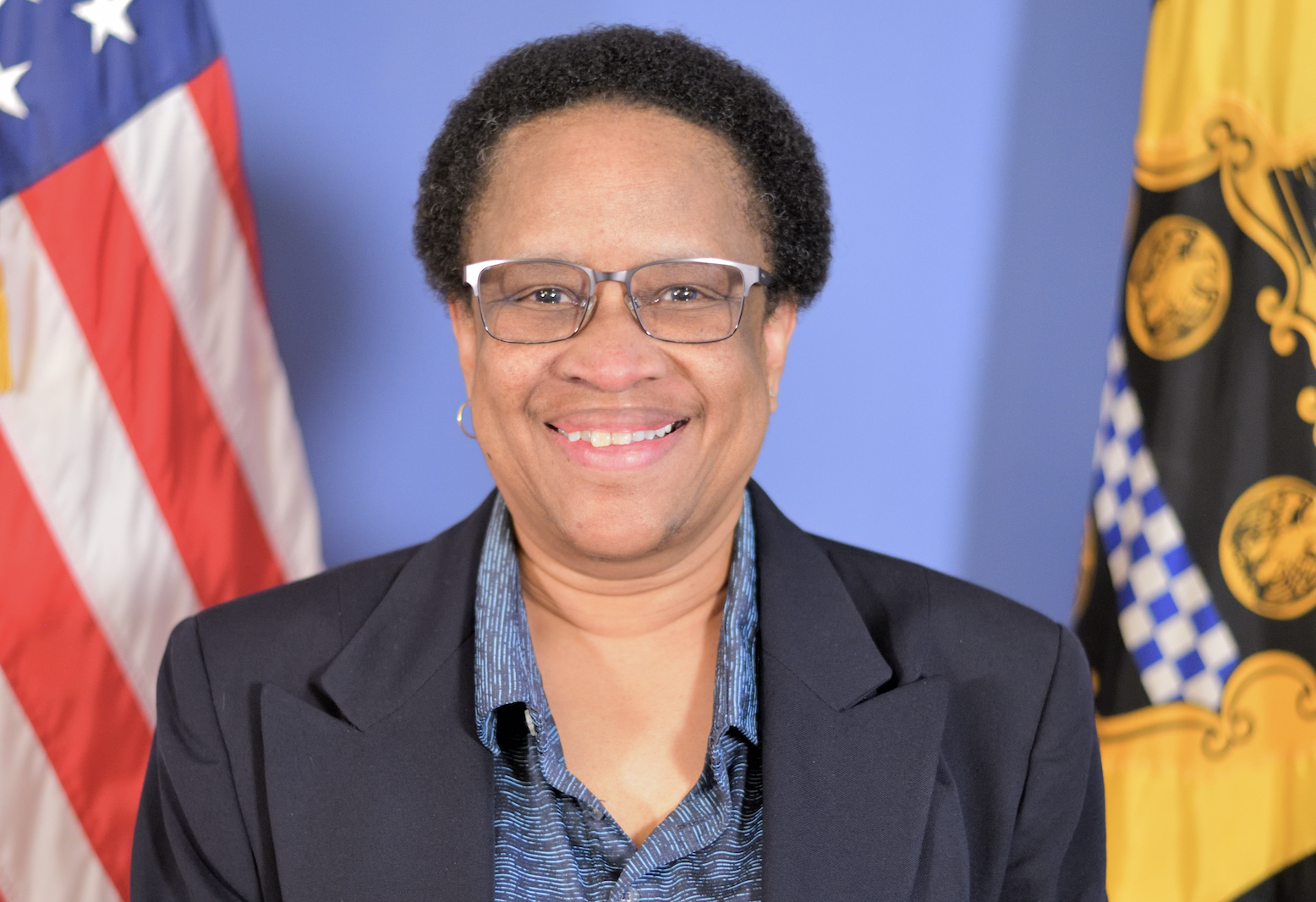
Pittsburgh’s newly appointed CIO, Sylvia Harris, has outlined plans to modernise ageing technology, expand the use of artificial intelligence and improve digital services, while addressing longstanding infrastructure and cybersecurity challenges.
Harris, who has worked for the City of Pittsburgh for 18 years, was confirmed as Director of Innovation & Performance and Chief Information Officer by Corey O’Connor, Mayor of Pittsburgh, after serving in an acting capacity.
“My first priority is strengthening the fundamentals–ensuring our systems are reliable, secure, and resilient,” Harris told Cities Today. “Residents expect government services to work every time, and that requires disciplined investment in infrastructure, cybersecurity, and operational excellence.”
Among the city’s biggest challenges are ageing IT systems, fragmented departmental processes and the need for consistent investment in modernisation.
Harris wants to upgrade legacy platforms, improve data quality and expand cloud-ready systems that allow departments to work together more effectively. A key ambition is to establish a unified digital gateway through which residents and businesses can access municipal services.
This would simplify everyday interactions, including applying for permits, reporting problems and accessing information, with an emphasis on intuitive, mobile-friendly services.
AI opportunities
Harris also sees opportunities for AI to reduce administrative workloads and improve service delivery, although the city is taking a measured approach to adoption.
“AI has real potential to improve how Pittsburgh operates, but we’re approaching it with intention and responsibility,” she said. “Our focus is on practical applications and use cases that help staff do their jobs more efficiently and improve the resident experience.”
Potential internal applications include document drafting, data analysis, customer service triage and automating repetitive tasks, freeing employees to concentrate on more complex work.
For residents, Pittsburgh is considering smarter 311 service request routing, more intuitive digital forms and real-time information. The city is also exploring AI for infrastructure monitoring, public safety analytics and operational forecasting.
Harris said any deployment must be secure, equitable and transparent, with privacy and public trust central to decisions about where the technology is used.
Cybersecurity foundations
Harris brings more than 30 years of IT and leadership experience to the position. Since joining Pittsburgh in 2008, she has held several senior technology roles, including Chief Information Security Officer and Deputy Director of Operations.
Her achievements include establishing the city’s cybersecurity programme, implementing a disaster recovery solution and creating an incident response and training team.
That background has shaped her approach to leadership, with security considerations influencing everything from vendor selection and system design to staff training.
“We’re strengthening our cyber hygiene, expanding training, and improving incident response capabilities,” she said. “But just as important, we’re building a culture where cybersecurity is everyone’s responsibility–from leadership to frontline staff.”
Alongside the technical changes, Harris is prioritising professional development and closer collaboration between departments, recognising that successful modernisation depends as much on employees as technology.
Her longer-term ambition is to bring Pittsburgh’s disparate systems and services together into a more coherent digital environment.
“In two to three years, I want Pittsburgh to have a unified digital ecosystem that is secure, modern, and easy for residents to navigate,” she said.
Image: City of Pittsburgh