
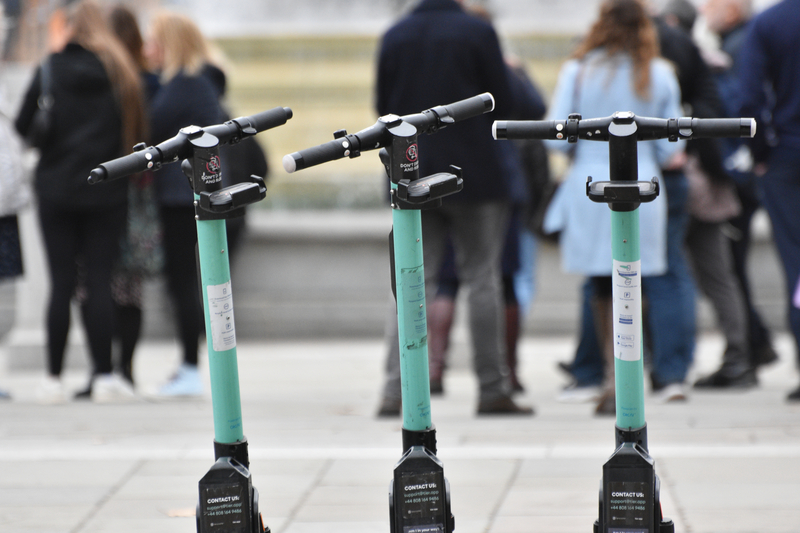
London launches tender for next phase of e-scooter trial
05 March 2026
by William Thorpe
Transport for London (TfL) has launched a tender to select operators for the next phase of London’s rental e-scooter trial, as new figures show strong growth in usage and continued high safety compliance.
The competitive procurement process will determine which providers operate the service in the next stage of the trial. TfL said operators will be assessed on their ability to meet strict safety requirements and maintain high operating standards while supporting the programme’s learning objectives.
The tender follows the release of new data covering September 2024 to September 2025, which shows more than two million trips were taken during the period, representing a 54 percent increase compared with the previous year.
Helen Sharp, E-scooter Trial Lead, Transport for London, said the programme continues to demonstrate growing demand for regulated micromobility services in the capital.
“London’s e-scooter trial is proving how micromobility can be regulated in a way that works for all and with the latest data showing a 54 percent increase in trips, it’s encouraging to see even more people enjoying the benefits of the scheme,” she said in a statement. “The next phase of the trial, delivered in partnership with London Councils, participating boroughs and operators, will continue to build on this success and play a crucial role in informing future legislation and policy on this innovative mode of transport.”
The current trial operates across 11 participating boroughs and includes more than 1,600 designated parking bays. Services are currently run by operators Lime and Voi Technology.
TfL’s latest data also highlights strong compliance with parking rules. Around 95 percent of trips end in designated parking bays, demonstrating that rental e-scooters can be managed in a way that minimises street clutter. Safety performance has also remained high, with only 0.0007 percent of trips resulting in a serious injury and no fatalities recorded during the reporting period.
The trial has also been used to test how shared e-scooters can improve transport connectivity. Around 20 percent of the parking bays are located in areas with fewer public transport access options, helping support first and last mile journeys.
Sharp said, in a follow up interview with Cities Today, that the next phase of the programme will focus on expanding the evidence base and testing how the technology evolves alongside London’s transport system.
“The next phase of the trial will include learning objectives that focus on: further collecting an evidence base to inform future legislation; looking at where e-scooters can enhance transport options and integrate into the existing public transport network; to test new and innovative technology that can keep pace with and adapt to innovation in the micromobility market and changes to London’s transport network,” she said.
She added that the evidence gathered so far points to a broader role for regulated micromobility within London’s transport system.
“The evidence in this report demonstrates that in the current trial conditions, rental e-scooters have the potential to contribute positively to the aims of the Mayor’s Transport Strategy,” she added. “They have good safety records, are space-efficient, are zero emission at tailpipe, and are managed in a way to minimise clutter on footways. By providing a new alternative to the private car for short journeys and improving access to public transport services, rental e-scooters can support public transport and active travel in reducing our reliance on car use and its impact on road danger, congestion, air quality and climate change.”
Image: Amani A | Dreamstime.com