
Inside Dublin’s next phase of digital transformation
26 February 2026
by Jonathan Andrews
Dublin City Council is restructuring how it delivers digital transformation, bringing innovation, enterprise IT, data and cyber security into closer alignment as it seeks to move from pilots and sandboxes to scalable, business-led change.
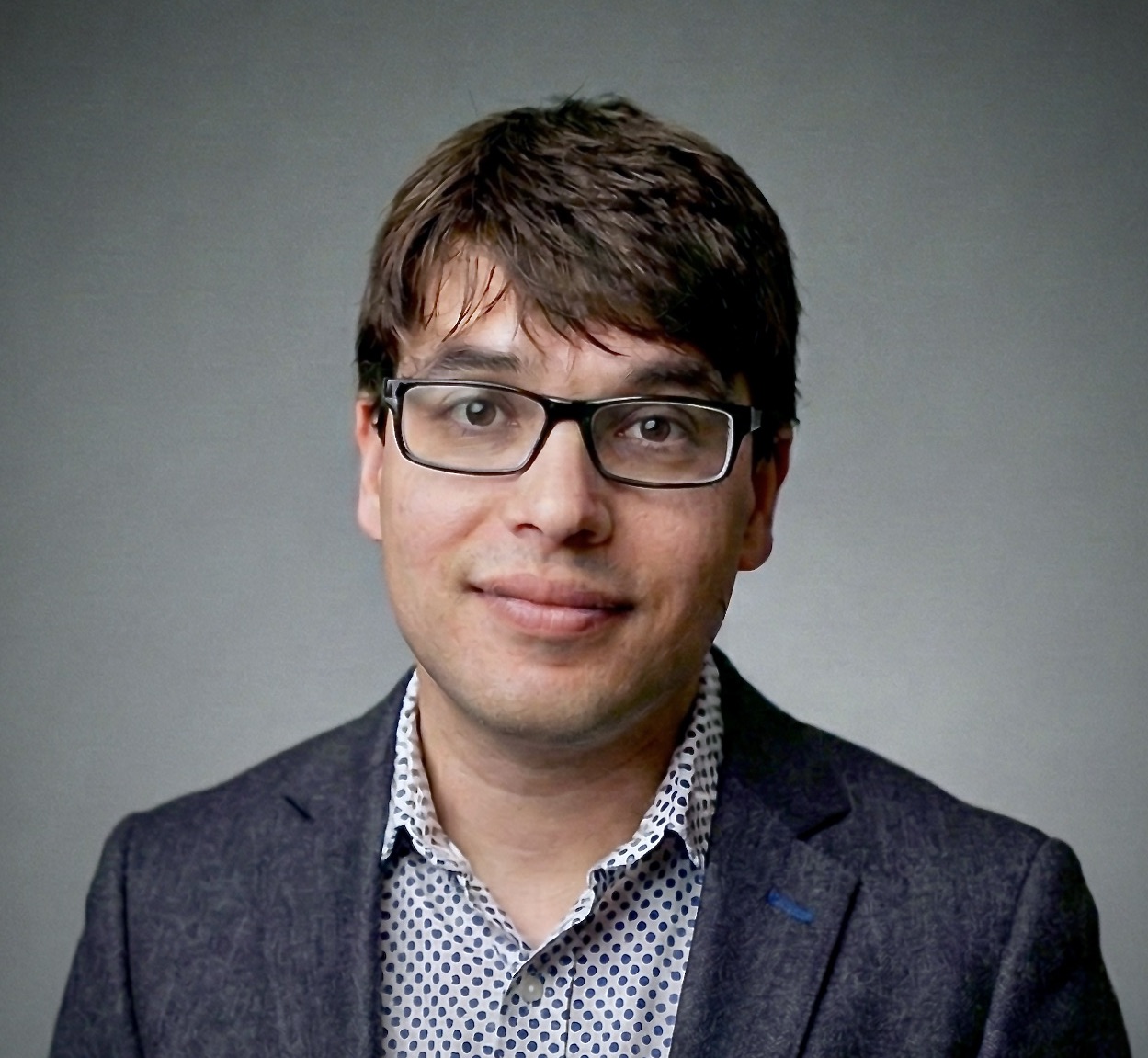
Jamie Cudden, who is now over a year into his role leading Corporate Services and Transformation, tells Cities Today that the shift is rooted in a simple realisation: good ideas will not scale without the right internal structures.
Before taking on the expanded remit, he led the council’s Smart City innovation programme for over a decade, working closely with industry and academia to test emerging technologies in a live urban environment.
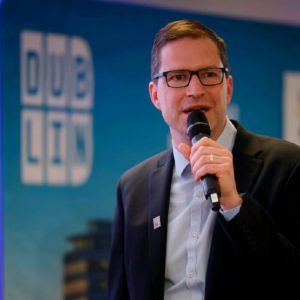
“I was in this nice space where I could look outwards and see what’s coming down the line in terms of new and emerging technologies and think about how the city council might react and respond,” he says.
That approach led to projects in Internet of Things, telecoms, 5G, drones and AI. Some have since become permanent operational capabilities.
“We set up the telecoms function to accelerate digital connectivity. We set up the drones unit to manage how we utilise drones for the benefit of the city,” he explains.
But experience also exposed a structural weakness.
“It can be incredibly difficult to take good projects and good ideas to scale if you don’t have the right architecture or structures within your organisation,” Cudden says.
Aligning innovation and enterprise
In many public bodies, innovation has developed in siloed teams, rather than within, core IT and enterprise functions. Dublin is now deliberately bringing those strands together.
“When I took on my new role, I was looking at the progress we made around digital services and getting stuff online, and at all these new ideas coming through on smart cities and Internet of Things, and then realising that actually, if we’re not all working together, we’re not going to get the scale that we need,” explains Cudden.
But realignment must be organisational rather than technological, he emphasises.
“It’s not driven by the technology, it’s driven by the needs of the business,” says Cudden. “What was really important is thinking about how we prioritise and how we get proper sponsorship.”
Without strong governance and structural foundations, pilots will remain pilots and opportunities to scale will be missed.
“If you don’t have good data governance, or you don’t have good enterprise architecture, or good cyber controls, it becomes very difficult to implement these solutions outside of a sandbox into an environment that can scale and transform your business,” adds Cudden.
Over a decade, Dublin’s Smart Docklands testbed has tracked the rapid maturation of urban technology.
“When we started this 10 years ago, it was very early in the technology cycle,” Cudden says. “A lot of stuff that people promised didn’t work as well. It was maybe a little bit clunky.”
Today, the economics and performance of solutions have shifted dramatically.
“To be able to create a network of sensors along all the bridges along the River Liffey as part of a relatively small-scale pilot would have been unheard of 15 years ago,” he says. “The challenge then is taking some of these projects and then how do you bring them back into the organisation and create a framework or pathway to scale that into your everyday business and enterprise?”
Telecoms, quantum and fibre sensing
A good example of creating such an organisational framework is Dublin’s early decision to establish a telecoms unit, which now aligns with wider European policy shifts around gigabit connectivity.
“We were ahead of the curve putting in all those structures and functions and publishing data, making our assets more available for the sector,” Cudden says.
At the same time, cyber resilience is rising up the agenda. As an operator of traffic systems considered critical infrastructure, the council faces heightened compliance obligations.
“Certainly quantum connectivity will play a role in delivering more robust and secure networks into the future,” he says.
That future-facing approach was this month demonstrated when Dublin City Council hosted Ireland’s first Government Use Case for quantum-secure communications, trialling advanced encryption across its existing municipal fibre network.
Alongside quantum, the council is piloting fibre sensing along parts of its traffic network, working with research partners to explore how vibration data can provide operational insight.
“You can measure noise around or vibrations around your fibre network, and you can understand whether there’s tension or silting or flooding or construction happening close to certain points in your network,” he explains. “Which provides an invaluable way to better manage that asset.”
A cautious approach to generative AI
AI is another area where Dublin is balancing ambition with governance.
“We have a generative AI Lab, where we have a partnership with the ADAPT national research centre around AI,” Cudden says. “We have created a safe space to incubate use cases around generative AI and to support us in our journey around how we deploy AI in the organisation.”
The lab allows teams to explore use cases while aligning with EU and national AI guidelines.
“Rather than rushing into the hype around generative AI, we’re creating a safe space to be cautious before looking and hopefully allow us to scale faster at the right time.”
Those themes of governance, data architecture and cybersecurity protocols will carry into Dublin’s role as host of the European City Leadership Forum on 25th-26th March. The event marks the inaugural in-person meeting of the City Innovation Network, which is dedicated to the deployment of AI and tech for public good.
“It’s amazing when you work with your equivalent colleagues in other cities across Europe, and you can share learnings and experiences about what works,” he says. “It’s done in a way where you can be very open around these discussions.”
For Cudden, the message is consistent: innovation must be matched by organisational transformation.
“You need that to have the opportunity to see what’s coming down the line–new innovations–and to inspire as well.”