Fourteen European cities partner with start-ups to test innovative mobility solutions
12 August 2026
by William Thorpe
European city authorities are turning to start-ups to test mobility solutions through a six-month programme designed to help authorities assess new technologies before considering wider deployment.
The 2026 Rapid Applications for Transport (RAPTOR) programme will support pilots addressing road safety, active travel, public transport, electric vehicle charging, urban logistics and kerbside management. Each selected start-up will receive €60,000, bringing the programme’s total direct funding to €840,000.
The pilots will run from July to December in Berlin, Brussels, Edinburgh, Helsinki and London, among others.
Natalia Gozdur, RAPTOR Programme Manager at EIT Urban Mobility, told Cities Today that the organisation first worked with participating cities to define specific mobility challenges. These were published through an open call that attracted around 370 proposals.

“The submitted proposals underwent a two-stage evaluation process,” she said. “The final selection combined the independent evaluation with the panel assessment to ensure both technical quality and a strong fit with the city’s specific needs.”
Alongside funding, EIT Urban Mobility will provide project management, communications, progress monitoring and guidance on measuring impact. It will also support collaboration between start-ups and city authorities as the technologies are deployed and refined.
Several projects use artificial intelligence and data analysis to help cities manage existing transport systems. Helsinki will turn public fleet vehicles into mobile sensors to collect information for road safety and infrastructure planning, while Lambeth in London will combine AI, sensors and digital twin technology to manage kerbside space.
Luleå will assess wind, thermal comfort and ice risk on walking and cycling routes, while Lviv will use cameras and geospatial mapping to produce a live inventory of traffic signs and road markings. Nitra will test passive Wi-Fi sensors to estimate public transport occupancy and travel patterns.
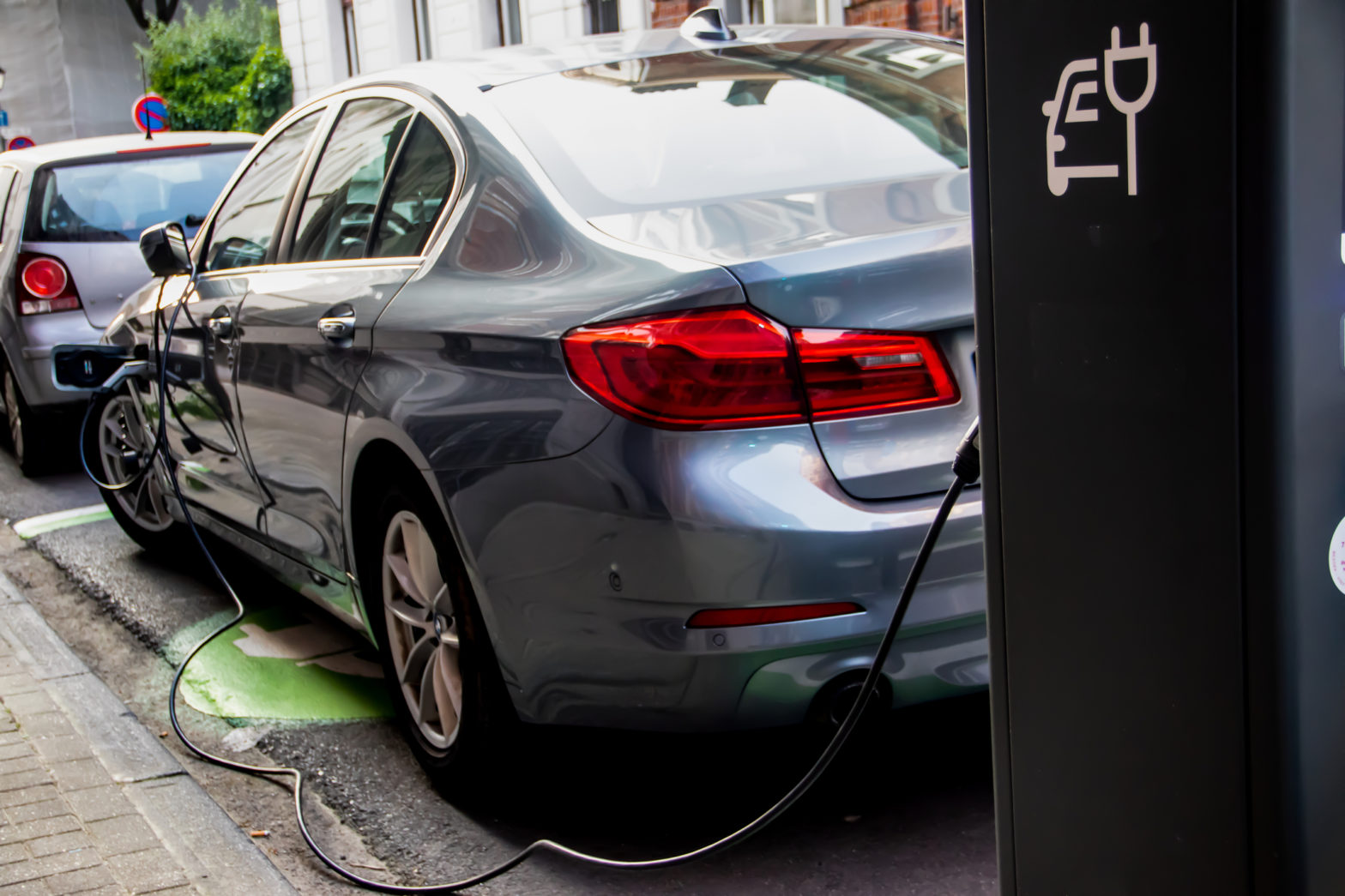
Other pilots include accessible EV charging information in Brussels, weight- and emissions-based parking charges in Edinburgh, consolidated electric deliveries in Guimarães and school-route analysis in Berlin.
Gozdur said each pilot will have its own indicators, supported by a common EIT Urban Mobility assessment framework. Measures could include changes in congestion, cycling uptake or accessibility, alongside user adoption, technical performance and the quality of collected data.
“Importantly, success is not measured only by whether a technology works technically,” she said. “We also look at whether it can realistically be integrated into city operations, whether it creates value for citizens and public authorities, and whether there is a credible pathway for further deployment after the pilot.”
Gozdur said the 2026 cohort reflects increased interest in digital tools, AI, data analytics and software that can be introduced without substantial infrastructure investment. Cities are also placing greater emphasis on integrating solutions into existing systems and designing pilots that could be replicated elsewhere.
The completed projects could inform future procurement or larger deployments by giving cities evidence about operational requirements and local impact. EIT Urban Mobility will share results through its network of cities, investors and industry partners.
“The end of the pilot is not necessarily the end of the collaboration,” Gozdur said. “One of the key purposes of RAPTOR is to give cities the opportunity to test an innovative solution in a real urban environment before committing to a larger-scale deployment.”
Main image: Suburbanium | Dreamstime.com