Cities get new tools to tackle climate misinformation
23 June 2026
by Jonathan Andrews
A new global initiative to help cities identify and respond to climate disinformation has been launched at London Climate Action Week, as city leaders increasingly turn to data, monitoring and analytics to support climate action and public health programmes.
City Climate Facts will provide mayors with data analysis, monitoring, rapid-response communications support and practical guidance to counter climate misinformation and disinformation. The initiative launches amid growing concern about the impact of false and misleading information on public understanding of climate policies.
New polling commissioned by C40 Cities found that three-quarters of London residents believe misinformation and disinformation pose a serious risk to their community, while new analysis using Valent’s disinformation intelligence software found that up to 48 percent of online engagement around air quality and low-emission policies in some cities is driven by bots.
The programme will initially work with Cape Town and is designed to help city leaders communicate more effectively about climate policies and their benefits.
Building trust in climate action
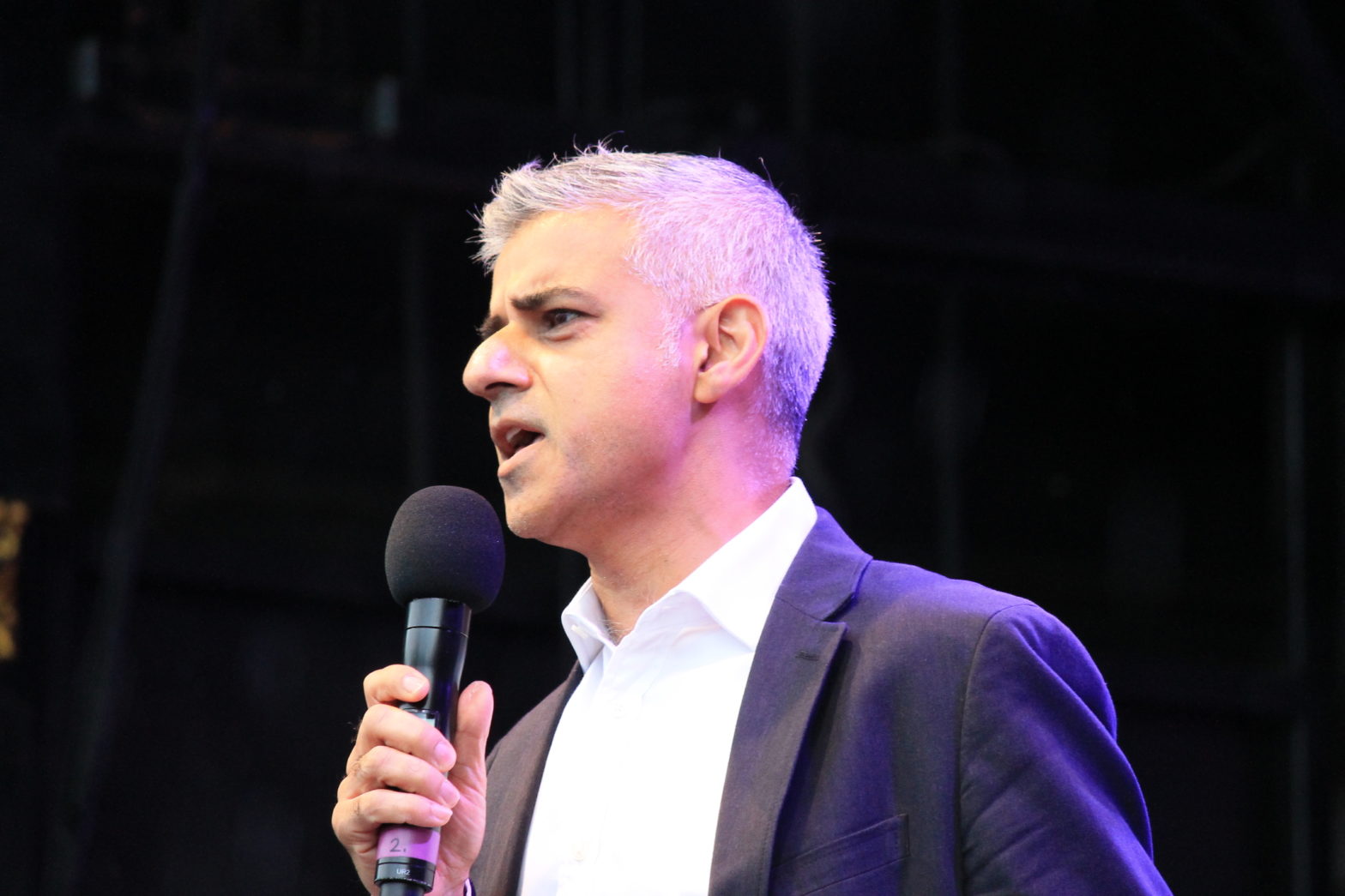
Sir Sadiq Khan (pictured), Mayor of London and Co-Chair of C40 Cities, said: “Research we’ve published today shows that Londoners are deeply worried. Three-quarters of them say that mis- and disinformation pose a serious risk to their community. That’s why, today, we’ve launched City Climate Facts–a new global initiative, coordinated by C40, designed to take on climate disinformation and rebuild public trust in our polluted online world.”
Selwin Hart, UN Special Adviser on Climate Action and Just Transition, added: “Initiatives like City Climate Facts can help push back against this tide by equipping city leaders with credible information, strengthening public trust, and ensuring that facts and science–not falsehoods and vested interests–guide the choices that shape our future.”
Expanding data-driven air quality programmes
The launch comes as Bloomberg Philanthropies announced a US$45 million investment to expand Breathe Cities, a programme that helps local governments use air quality data to design and implement pollution reduction measures.
The initiative will expand to Addis Ababa and Madrid, bringing its network to 16 cities worldwide. Since launching in 2023, participating cities have deployed nearly 1,200 air quality sensors, implemented 26 clean air policies and achieved a 14 percent reduction in nitrogen dioxide pollution. More than 7,500 electric buses are now operating across the network.
Examples of data-led action include Paris using localised air quality data to support traffic restrictions on 300 streets, while Accra and Nairobi have established monitoring networks to track hyper-local pollution. Across the initiative, 10 cities have committed to implementing Clean Air Zones by 2030.
José Luis Martínez-Almeida, Mayor of Madrid, said: “As one of the newest members of Breathe Cities, I am inspired by the progress achieved by fellow cities and I look forward to raising Madrid’s air quality ambitions in the coming years. The data, tools, and experience of this global community are exactly what Madrid needs to go further.”
Image: Lorna Roberts | Dreamstime.com