
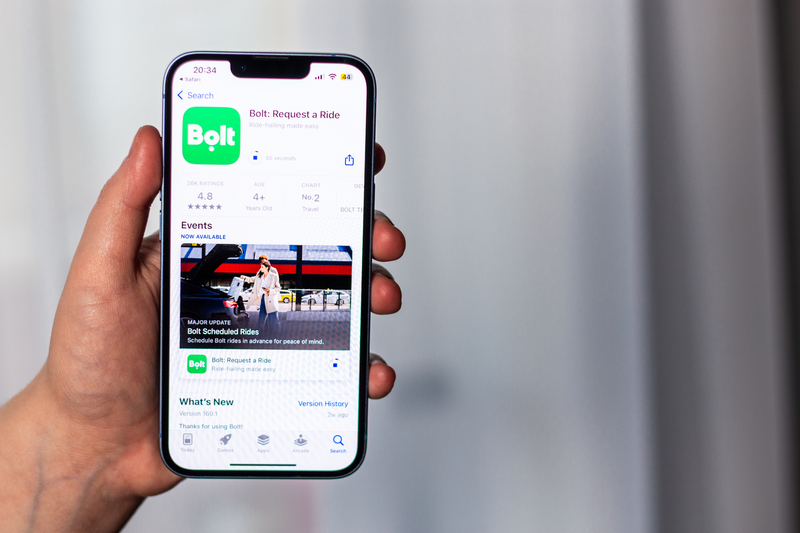
Bolt to pilot public transport ticket sales
06 January 2026
by William Thorpe
Ride-hailing platform Bolt is planning to sell bus, train and metro tickets directly through its app from 2026, with pilot projects expected to begin in the first half of the year. The initiative would allow users to plan, book and pay for entire journeys in a single transaction, combining Bolt rides with public transport services.
The plans were outlined by Mário de Morais, General Manager of Bolt Portugal, in an interview with Portuguese business newspaper ECO, which first reported the proposal. Bolt intends to integrate public transport ticketing alongside its existing ride-hailing and micromobility services, enabling users to manage door-to-door travel within a single interface.
Initial pilots are expected to focus on integration with bus or rail services, particularly for longer-distance journeys. Lisbon and Porto are viewed by the company as preferred locations for early testing, reflecting the scale and maturity of their public transport networks, although no locations have yet been formally confirmed.
“The first pilot project will involve integration with the bus or train network, with the cities of Lisbon and Porto being the preferred locations for this test,” de Morais said in the interview with ECO.
Bolt’s proposed model is designed to simplify journeys that currently require multiple apps, tickets and payments. By bundling first- and last-mile connections with public transport services, the company aims to make multimodal travel easier to plan and pay for, particularly for intercity trips.
According to de Morais, the initial focus will be on services where integrated ticketing can deliver immediate benefits for users, rather than on urban metro networks.
“The first pilot programme should involve buses or trains, which provide longer-distance connections,” he said.
Bolt has stressed that the initiative is intended to complement existing public transport networks rather than compete with them. The company is positioning itself as a partner to transport operators, coordinating different legs of a journey while leaving core services in the hands of public providers.
“We want to partner with them as a complement, not as a substitute,” de Morais said.
Under the proposed approach, users would pay once for an entire journey, with Bolt managing the coordination of private and public transport segments through its platform. Testing of the integrations is expected to begin during 2026, with the scope and rollout of the pilots dependent on ongoing discussions with transport authorities and operators.
Image: Anastasija Trofimova | Dreamstime.com