
Accessible electric trikes launch in Denver
07 August 2026
by William Thorpe
Veo has launched 50 shared electric trikes in downtown Denver following two years of consultation with disabled people, older adults and community organisations.
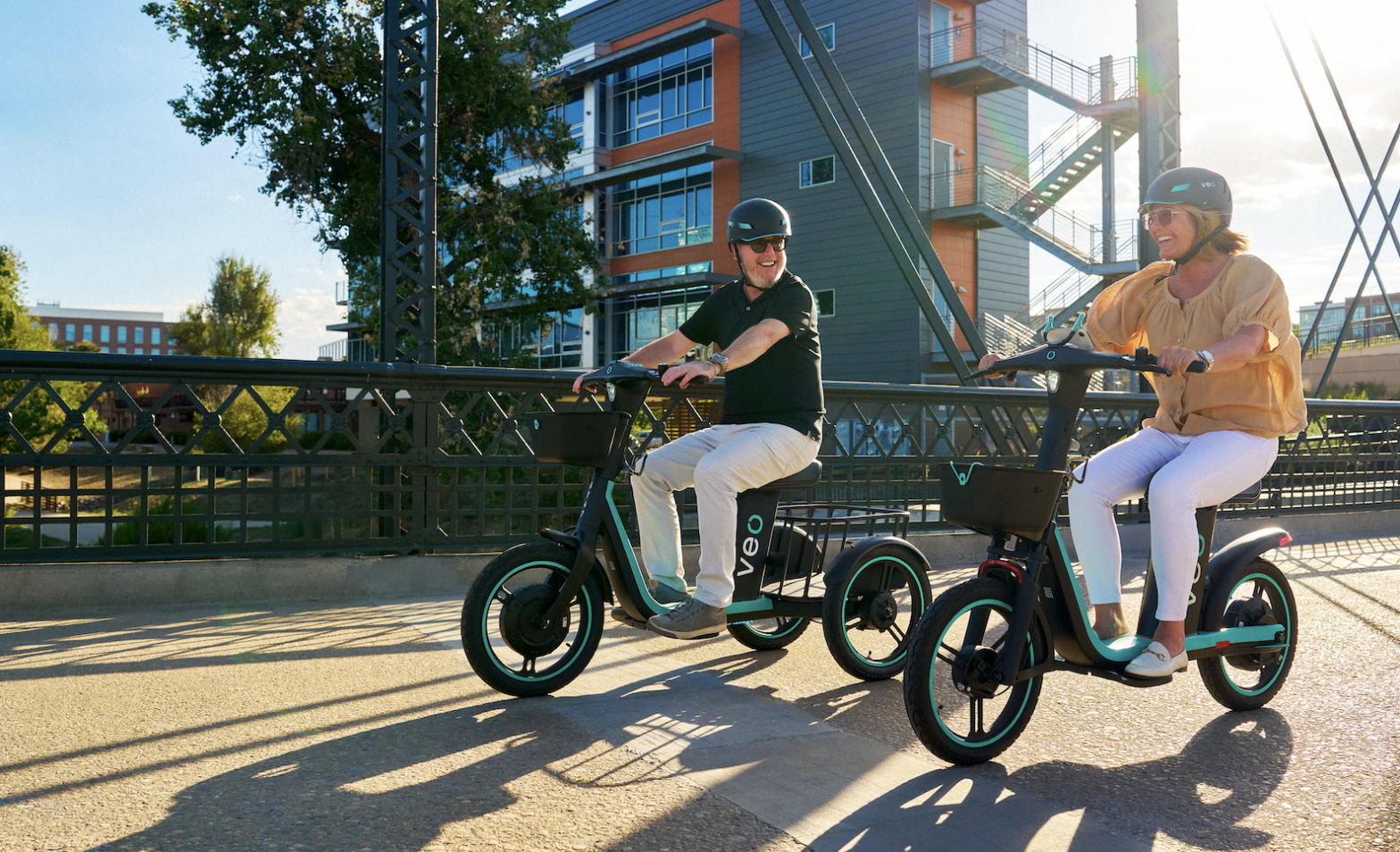
The Rover is intended for people who may find conventional bicycles or standing scooters uncomfortable or difficult to use. Its three-wheel design, step-through frame, seated position and throttle assistance aim to provide greater stability while reducing physical effort.
Celeste Brown, Social Impact Lead at Veo, told Cities Today that feedback from potential users shaped the vehicle from its initial concept through testing.

“People consistently told us they wanted a vehicle that felt more stable, easier to get on and off, and less physically demanding than a traditional bike or scooter,” she said. “That led to features like the three-wheel design, step-through frame, seated riding position, and electric throttle assist.”
The operator worked with hundreds of riders and more than 20 organisations from early 2024, including the Disability Mobility Initiative, Parkinson’s Foundation, New Disabled South and Capitol Hill Village. Its 2025 rider survey found that 24 percent of respondents identified as having a disability.
A large cargo basket was added during development following requests for space to carry groceries, mobility aids and other items. Pedals were replaced with footrests after participants expressed a preference for a more relaxed riding experience.
The trike’s front and rear baskets can carry a combined 100 pounds, or 45 kilograms. Its maximum speed is limited to 10 mph, or 16 km/h.
Rover costs the same to hire as the operator’s other vehicles. Discounted pricing is available through Veo Access to eligible low-income users, older adults and people with disabilities.
The pilot is limited to downtown Denver so that the company and city can monitor parking and fleet management before considering a wider rollout. The area has more than 100 designated micromobility parking corrals.
“Parking compliance will be one of the key measures we evaluate throughout the pilot,” Brown said.
Denver’s 9,000-vehicle fleet now offers five models, including seated and standing scooters, a cargo e-bike and a two-person e-bike.
The trial will assess ridership, utilisation, parking compliance and safety. It will also examine whether Rover attracts people who have not previously used shared micromobility and how it supports their daily transport needs.
“We’ll look at both quantitative and qualitative measures,” Brown said. “Of course we’ll evaluate ridership, utilisation, parking compliance, and safety–but we’ll also be asking whether Rover reaches people who weren’t previously using shared micromobility and gathering rider feedback to understand how the vehicle fits into meeting their daily transportation needs.”
No timetable has been announced for expansion elsewhere in Denver or into other cities.
Images: Veo