
New global task force targets city climate investment gaps
09 November 2026
by Jonathan Andrews
The Global Covenant of Mayors for Climate & Energy (GCoM) has launched a new Business Task Force to connect cities with private investors and technology companies, as part of efforts to overcome barriers preventing climate innovations from progressing beyond pilot projects.
Announced at Smart City Expo World Congress in Barcelona, the initiative will bring together municipal leaders, investors and industry representatives to identify investment opportunities, align climate projects with private-sector priorities and help cities bring new technologies to market. It forms part of a wider initiative that includes 50 cities representing more than 160 million people across 27 countries.
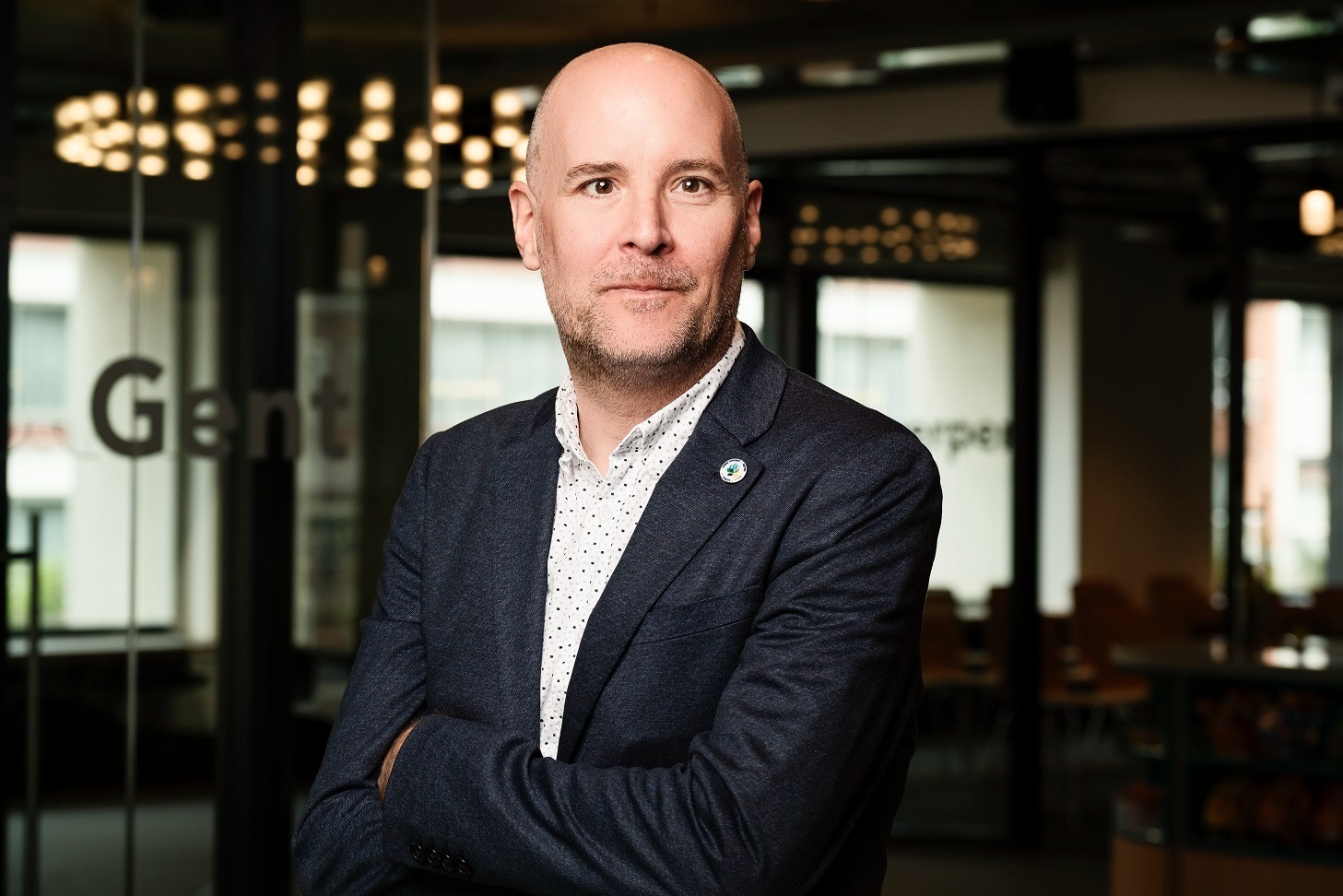
Andy Deacon (pictured), Co-Managing Director of GCoM, told Cities Today that limited access to investment, technical expertise and commercial partners was preventing municipalities from scaling promising solutions.
“Too often, promising solutions remain at the pilot stage because cities lack access to the right partners, technical expertise or investment opportunities. We want to change that.”
The Task Force will focus on tailored matchmaking between cities and businesses, aligning municipal project pipelines with investment interests and helping local governments access technologies that can be tested, implemented and replicated. Deacon said the aim was to move beyond one-off consultations towards lasting partnerships capable of delivering projects at scale.
GCoM is also supporting cities through its City-Business Climate Alliance (CBCA), which provides guidance on developing partnerships and attracting private capital. The initiative is intended to help municipalities strengthen their ability to engage investors and develop viable climate projects.
Innovation beyond pilot projects
Deacon warned that digital technologies and artificial intelligence should not be pursued without clearly defined municipal needs and measurable outcomes.
“But our approach is clear: we must start with the problem, not the technology. Innovation should respond to the real needs of cities and their residents, delivering measurable benefits rather than becoming an end in itself.”
He highlighted GCoM’s 2026 AI x City Climate Action Hackathon, which attracted nearly 700 participants and 75 project submissions. The winning solution, TRACE, developed by a US–Cameroon team, uses AI to improve disaster response by identifying affected families who have not yet received assistance.
The potential for city-business collaboration was also demonstrated during the Barcelona event, where Oleksandr Syenkevych, Mayor of Mykolaiv, Ukraine, invited international technology companies to work with Ukrainian cities on testing and scaling AI solutions to strengthen resilience.
Alongside the Task Force, GCoM and C40 Cities have announced a new 50-city cohort of the CBCA, including London, Paris, New York, Melbourne, Sydney, São Paulo and Cape Town. A pilot Learning Platform will provide case studies, partnership models and implementation tools to help municipalities identify approaches that could be replicated locally.
Deacon highlighted the limits of municipal governments’ direct influence over emissions, arguing that meaningful reductions require cooperation beyond the public sector.
“While local governments directly control only around 4% of emissions within their boundaries, businesses, households and other levels of government influence much of the remainder. This makes collaboration with the private sector essential to achieving meaningful emissions reductions.”
He identified energy infrastructure, building retrofits, low-carbon construction and transport electrification as significant opportunities for collaboration. Businesses could also contribute investment, land and technical expertise to projects involving urban green spaces, biodiversity and sustainable food systems.
The wider GCoM network comprises more than 14,000 cities and local governments, which have collectively reported over 200,000 climate actions. The new initiatives aim to help turn those commitments into projects that can attract investment and be replicated across municipalities.
Image: GCoM