
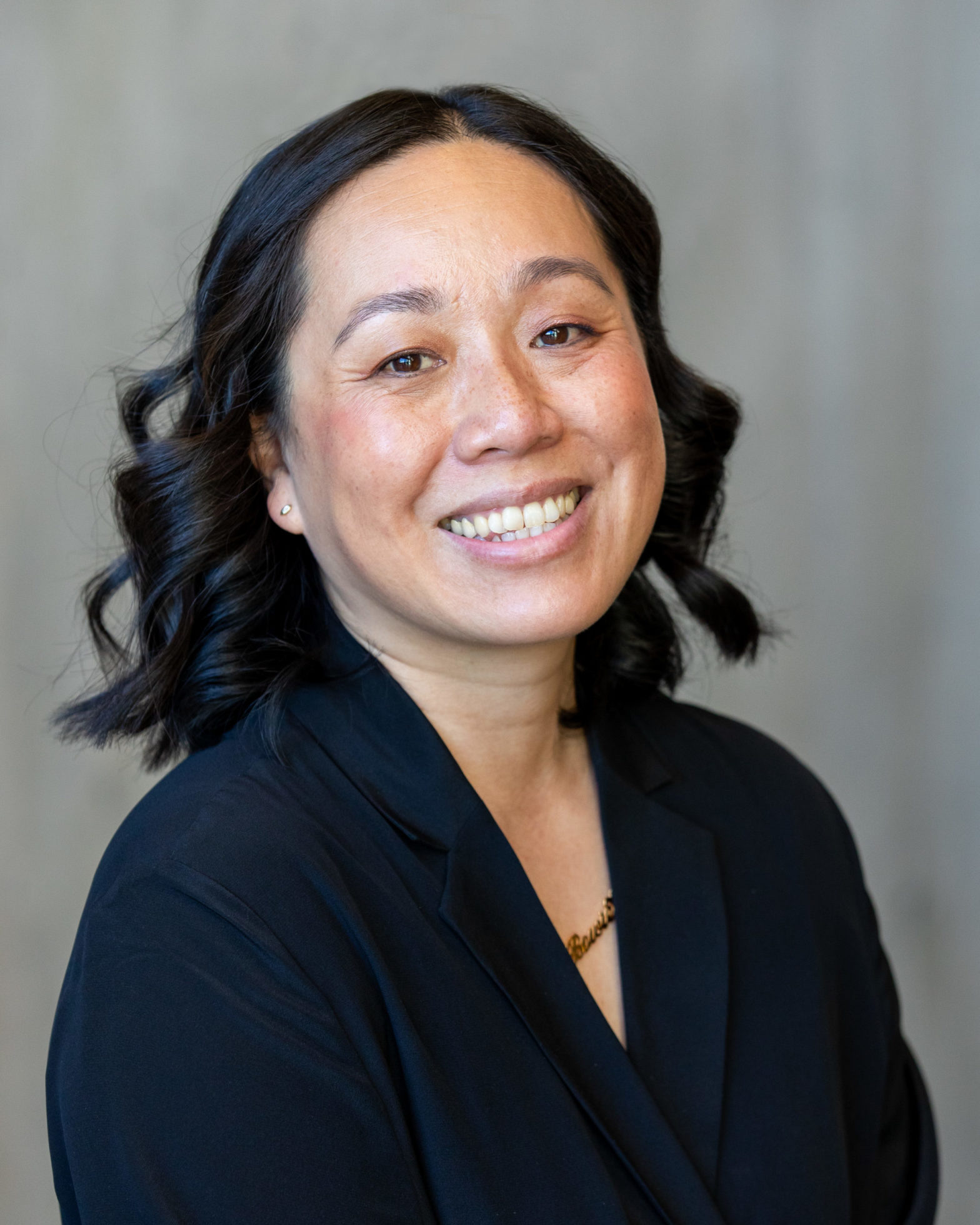
Shin-pei Tsay named Boston CIO
15 August 2026
by Jonathan Andrews
Shin-pei Tsay has been appointed Chief Information Officer (CIO) for the City of Boston, taking responsibility for the digital infrastructure and services supporting residents, businesses and the municipal workforce.
Tsay succeeds Santi Garces, who served as CIO for four years and has joined Harvard University to work on research and teaching related to government, artificial intelligence and innovation.
The appointment marks another expansion of Tsay’s responsibilities since she joined Boston in 2024 to lead the Mayor’s Office of New Urban Mechanics. She subsequently became Chief Research and Data Officer, launching Boston’s first citywide data strategy while overseeing research, analytics and the development of data products.
“Our team is driven by innovative leaders who bring creative solutions to improving city services and better serve our community,” said Michelle Wu, Mayor of Boston. “Shin‑pei Tsay will lead the Department of Innovation and Technology’s work to strengthen the digital tools and infrastructure that residents rely on, building on the strong foundation laid by Santi Garces.”
The department’s recent work has included overhauling municipal websites, making it easier to access property information and pay taxes online, and expanding Wicked Free Wi-Fi across schools, libraries, police and fire stations and other public buildings. The network serves more than 130,000 residents.
Boston has also adopted a citywide generative AI policy and worked with Google on the second phase of Project Green Light, which uses AI and traffic data to support the optimisation of traffic signals.
Tsay said technology now underpins almost every aspect of local government, from taking children to school and accessing property records to reporting problems in the street.
“Great technology infrastructure can immensely improve and scale public service so that it centres people,” she said. “I’m excited to continue building on all the resident-centred innovation Boston has done so that we can meet future challenges and expand access so that everyone can thrive.”
The new role brings Tsay’s previous work on research, data and experimentation under the broader remit of the city’s technology department. She told Cities Today last year that combining these capabilities could help Boston turn successful trials into citywide services.
“Launching a prototype isn’t the end goal; we want to see the prototype evolve and serve more residents,” she said. “To achieve this, we need data, research, performance management, and evaluation skills that can translate early ideas into scalable citywide policies.”
Tsay also recently told Cities Today that Boston was testing generative AI products designed to make its open data portal accessible without specialist analytical or programming skills. One tool uses Model Context Protocol to allow employees and residents to ask questions in natural language and search across multiple datasets.
Tsay has previously held senior roles at Uber, the Gehl Institute, TransitCenter and the Carnegie Endowment for International Peace.
Image: City of Boston