US bill to expand shared micromobility funding
14 May 2026
by William Thorpe
A new federal bill could make it easier for US cities to secure funding for bike and e-scooter schemes, as shared micromobility gains greater recognition within the country’s transport system.
Val Hoyle, Democratic Representative for Oregon’s 4th district, has introduced the Shared Micromobility Investment Act, legislation that would explicitly include shared micromobility projects in three major federal transport programmes: BUILD grants, the Surface Transportation Block Grant (STBG) programme and the Carbon Reduction programme.
“Eugene and Springfield are a model of a successful multimodal transportation network, and this bill will help more cities expand bikeshare into more neighbourhoods, create more jobs and give residents an affordable and accessible way to get around,” said Hoyle.
“Biking is becoming an increasingly important mode of transportation for Americans everywhere. The Shared Micromobility Investment Act makes clear that bikeshare and shared micromobility projects are eligible for more federal funding opportunities where transportation funding has historically treated bikeshare as a lesser form of transportation.”
The bill was announced at an event in Eugene, Oregon hosted by Cascadia Mobility and representatives from the North American Bikeshare and Scootershare Association (NABSA).
While shared micromobility systems are already being funded through the programmes in practice, eligibility has never been formally written into federal statute. Supporters say the legislation would reduce uncertainty for cities and operators applying for grants while recognising shared micromobility as part of the broader transport network.
Sam Herr, Executive Director of NABSA, said the legislation would help remove barriers to federal funding.
“Shared micromobility is an essential transportation service that is continuing to grow, and federal policy should reflect that,” she said. “Congresswoman Hoyle’s bill will make federal programmes work better for communities across the country. Codifying eligibility for shared micromobility in these programmes removes barriers to accessing these critical federal funds.”
According to NABSA, 171 million trips were taken on shared micromobility systems across the United States in 2024, a 32 percent increase over the previous year. The association also cited a 2023 study which found shared micromobility increased restaurant spending by approximately 5 percent, representing an estimated US$85.6 million in additional economic activity annually across 371 US cities operating shared micromobility systems.
The bill comes as Congress prepares to reauthorise the federal surface transit law ahead of its scheduled expiry in September 2026.
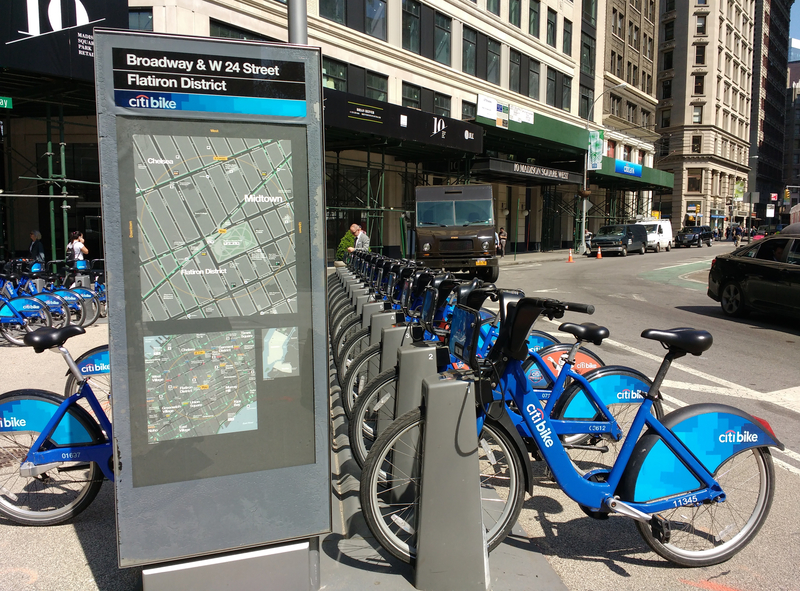
Image: Erin Alexis Randolph | Dreamstime.com