Report highlights shift to micromobility for daily travel
23 March 2026
by William Thorpe
Shared micromobility is moving firmly into the mainstream of urban transport, with new data showing it is increasingly replacing car trips and shaping how cities plan mobility systems.
Veo’s 2025 Rider Report, based on more than 15,000 responses across 60 US markets, highlights a significant behavioural shift. Around one third of riders say they have decided not to buy a car or have postponed doing so because of access to shared scooters and bikes, while nearly three quarters report reducing car travel.
Celeste Brown, Senior Policy & Partnerships Manager and Social Impact Lead at Veo, told Cities Today that the scale of change is becoming increasingly clear.

“About a third of riders say they’ve decided they don’t need a car or have postponed buying one because they have access to [shared micromobility], and 73 percent have reduced car travel because of [it]. The data signals a shift: micromobility is no longer a nice-to-have, it’s how people are getting to work, running errands, going to the grocery store.”
The findings suggest micromobility is no longer an occasional or leisure option, but a core part of everyday movement. Trips are no longer dominated by commuting alone, with riders using services for errands, shopping, and social visits, as well as connecting to public transport. The report shows 45 percent of users have used micromobility to access transit in the past week, reinforcing its role as a first and last mile solution.
Infrastructure, affordability and access drive adoption
The report underscores the importance of infrastructure in unlocking further growth. While 65 percent of riders say they feel safe, safety perceptions are closely tied to the presence of protected bike lanes and clear street design.
Survey data also reveals that more than half of riders have used sidewalks at some point, largely due to perceived safety risks on roads or a lack of dedicated cycling infrastructure. The majority say they would stop doing so if protected bike lanes or car-free streets were available.
“Protected infrastructure and accessible vehicle types are going to bring in the next wave of riders, especially for those who were previously reluctant to ride. Year after year, our rider survey respondents cite protected bike lanes as key to making them feel safe and more likely to ride.”
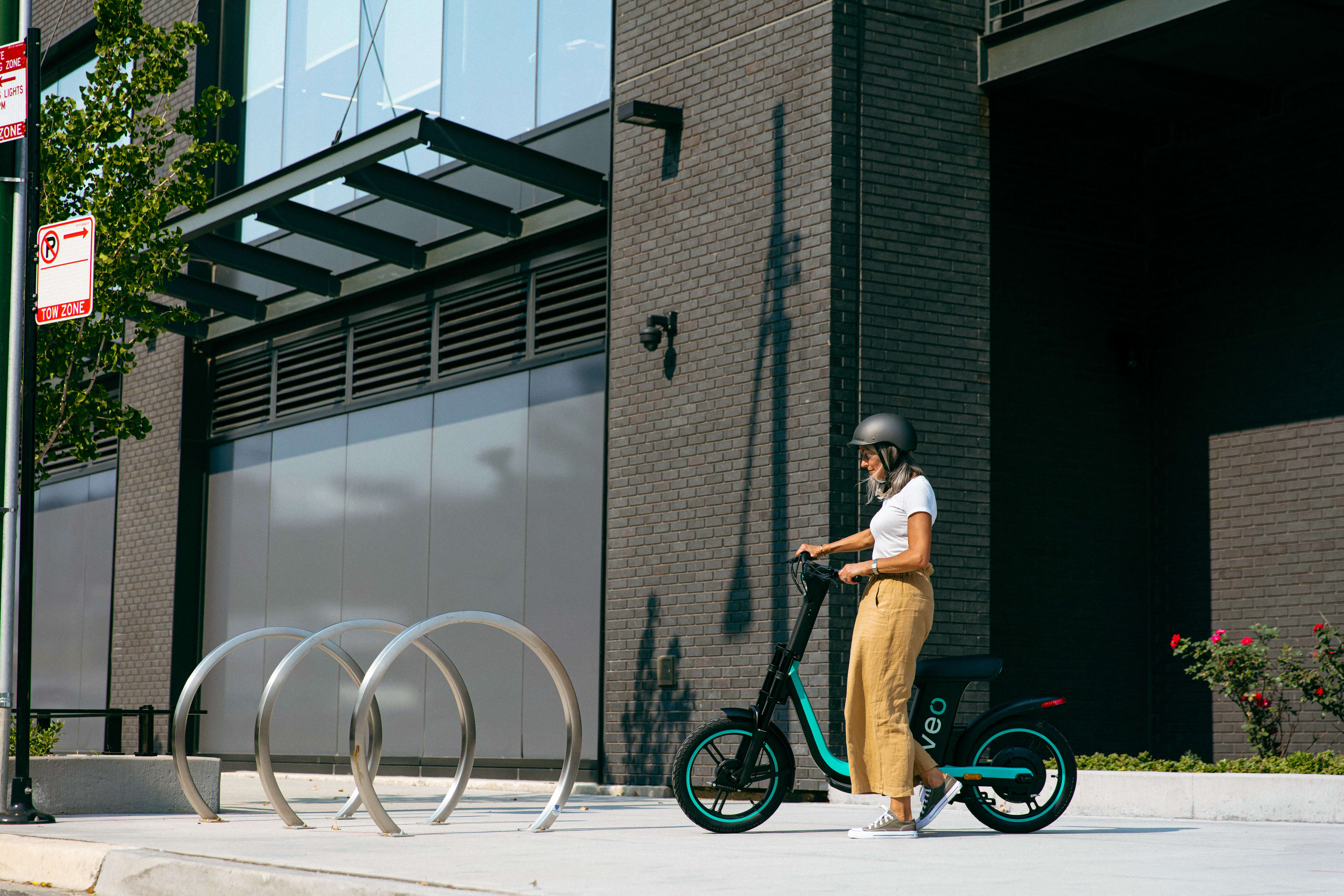
Vehicle diversity is also expanding the reach of micromobility. Mixed fleets that include seated scooters, cargo bikes and adaptive options are enabling a wider range of users and trip types, while also improving safety outcomes in some cases.
Cost pressures are another key driver. With car ownership increasingly expensive, micromobility is emerging as a viable alternative for lower- and middle-income users. The report highlights that 59 percent of riders have household incomes below $50,000, reinforcing its role as an affordable transport option.
At the same time, accessibility remains central. Nearly one in four riders report having a disability, with many relying on micromobility to maintain independence and reduce physical strain.
“We define an accessible city as one where everyone has the freedom to choose how they get around. For micromobility, that means as many people as possible can choose a shared scooter, bike, or trike to get where they need to go.”
That shift requires scaling infrastructure, integrating micromobility into long term transport planning, and strengthening collaboration between cities and operators.
“City leaders should take away that micromobility is no longer on the margins. It’s becoming a permanent, long-term part of city transportation systems, and we need to plan for it that way.”
Images: Veo