Philadelphia unveils equity-driven Vision Zero overhaul
01 December 2025
by William Thorpe
Philadelphia has put equity, vehicle technology and data integration at the forefront of its new Vision Zero Action Plan 2030, introducing a series of innovations that mark a shift in how the city intends to eliminate traffic deaths.
The plan debuts a new Underserved Communities metric to track racial disparities in fatalities, launches a pilot of Intelligent Speed Assistance (ISA) in the municipal fleet, and commits to delivering safety upgrades on every mile of the High Injury Network by 2030. It also updates the High Injury Network using post-pandemic crash data and sets out new efforts to link health and crash datasets to better understand injury patterns.
These measures form the backbone of the city’s latest strategy, released by the Office of Transportation and Infrastructure Systems (OTIS) and Vision Zero Philadelphia. The plan fulfils the mayor’s 2024 executive order and draws on input from nearly 3,000 residents through roundtables, surveys and market research. A mobile-optimised online version has also been published.
“This is a plan by and for the people of the City of Philadelphia,” said Cherelle Parker, Mayor of Philadelphia. “The voices of nearly 3,000 Philadelphians are reflected in this document and will help guide my administration’s work to make Philadelphia safe, clean and green with economic opportunity for all.”
Despite continued investment in safety programmes, the report notes that 2024 fatal crashes remained above pre-2020 levels. People walking, cycling, rolling or riding motorcycles–who make up fewer than 10 percent of all crashes–accounted for nearly two-thirds of fatalities. The Department of Public Health’s new equity metric shows that black and Hispanic residents experience disproportionately higher traffic-related deaths, a disparity the plan will track over time.
The updated High Injury Network, reflecting crash data from 2019 to 2023, reaffirms that 12 percent of streets account for 80 percent of serious injuries and fatalities. Residents identified speeding, running red lights and distracted driving as their top concerns, and emphasised that physical street design changes are most effective in reducing dangerous behaviours.
The plan is organised around the Safe System approach, outlining actions on safer streets and speeds, safer people, safer vehicles, data and policy. Recent progress includes expanded automated speed enforcement on major corridors, completion of the city’s fifth neighbourhood slow zone with a 20 mph (30 km/h) limit, and new pedestrian median islands on high-risk arteries.
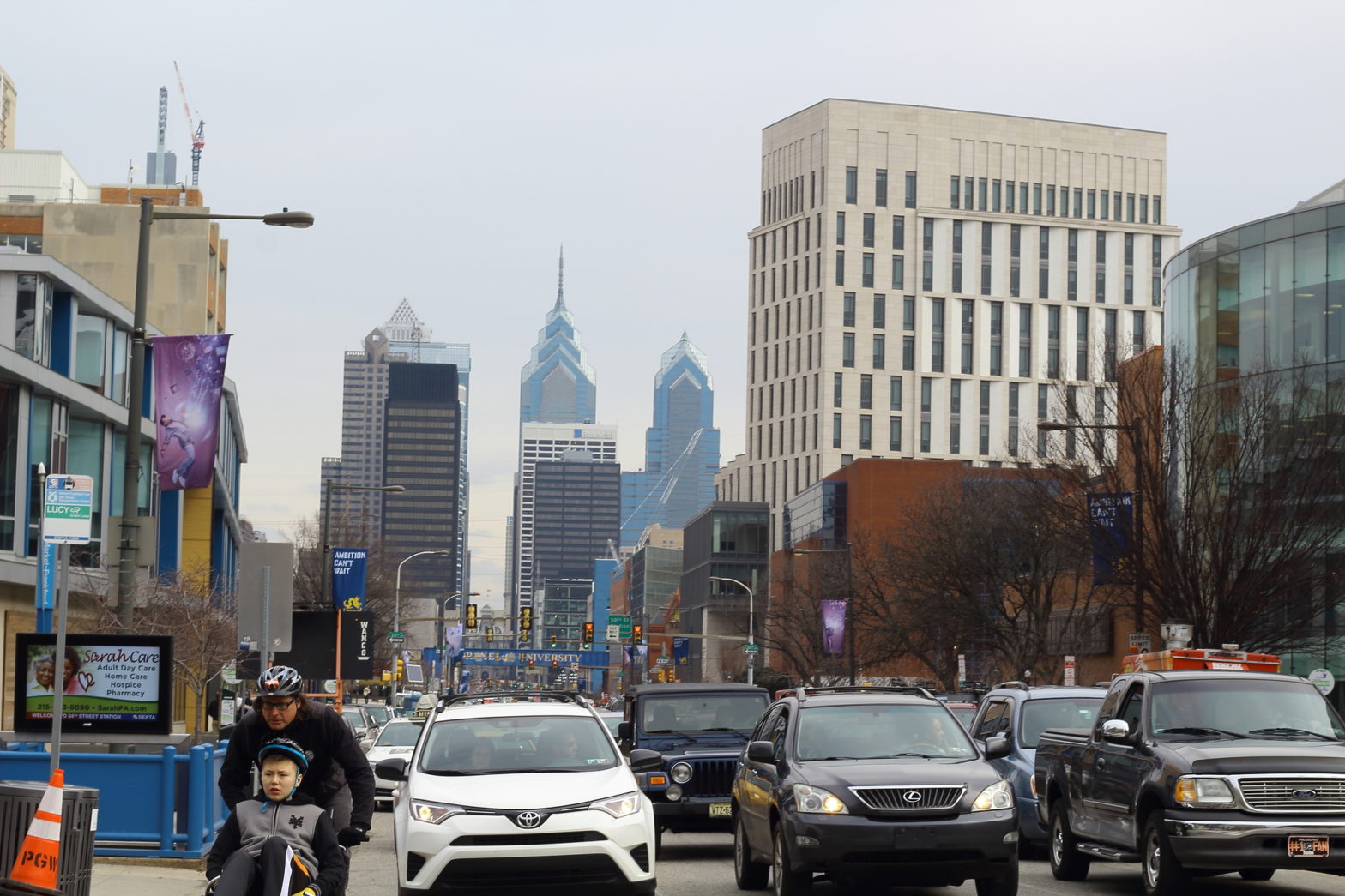
Image: Philadelpia © | Dreamstime.com